The year 2025 placed Ukraine under considerable pressure due to the political and military situation, particularly through the policies of the current American administration. The withdrawal of military aid by the United States, the radical increase in Russian attacks on civilian infrastructure such as electricity and central heating, and the war of nerves with various “peace plans” and counterplans, are burdensome for Ukrainians—and their friends.
We definitely got this feeling in October, after completing our delivery of eleven more vehicles, our largest to date. That’s why we soon decided to do an additional small delivery for St. Nicholas Day this year, more than ever as a sign of our solidarity, especially since December 6 is also the Day of the Armed Forces of Ukraine. A St. Nicholas gift, so to speak.
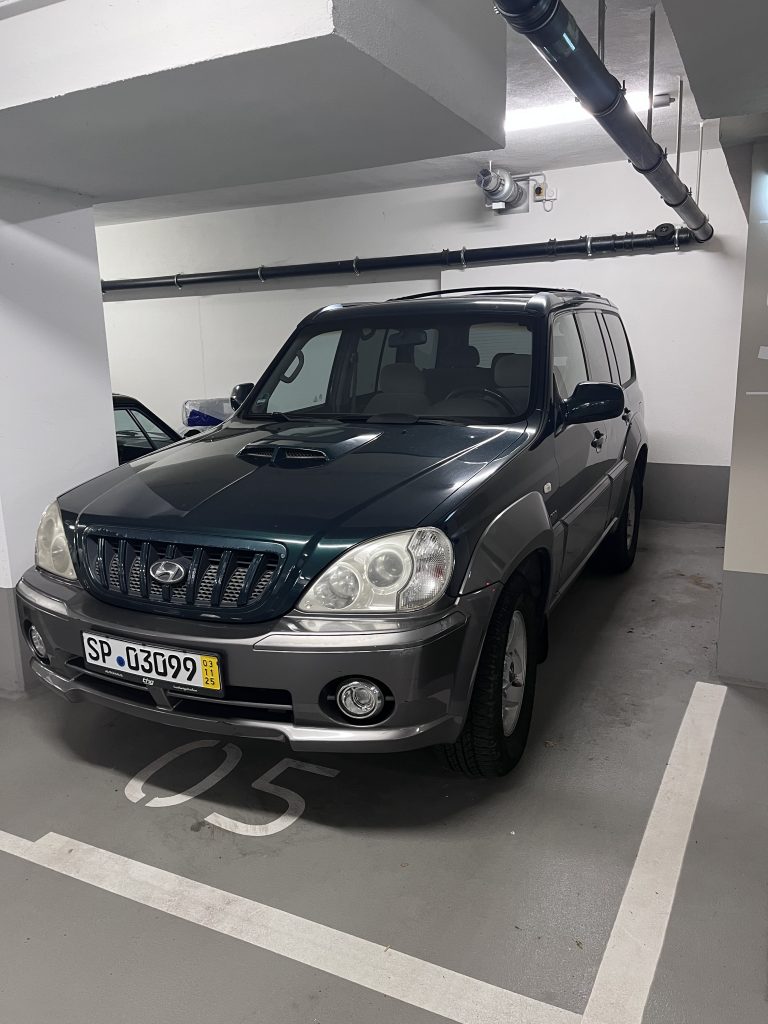
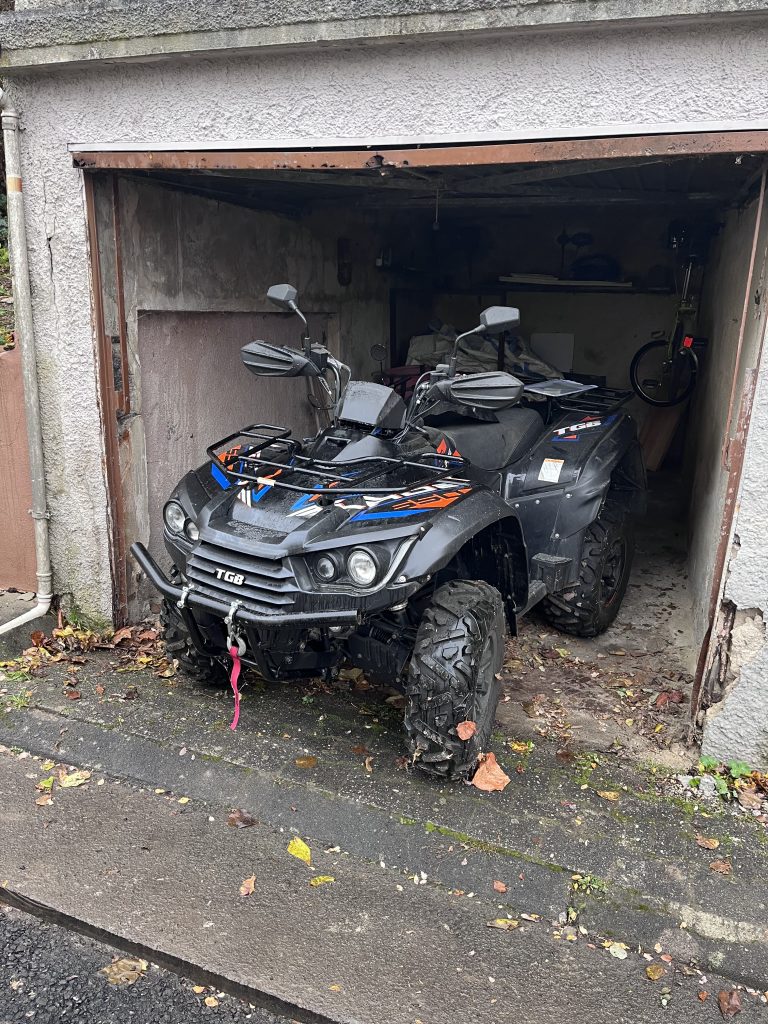
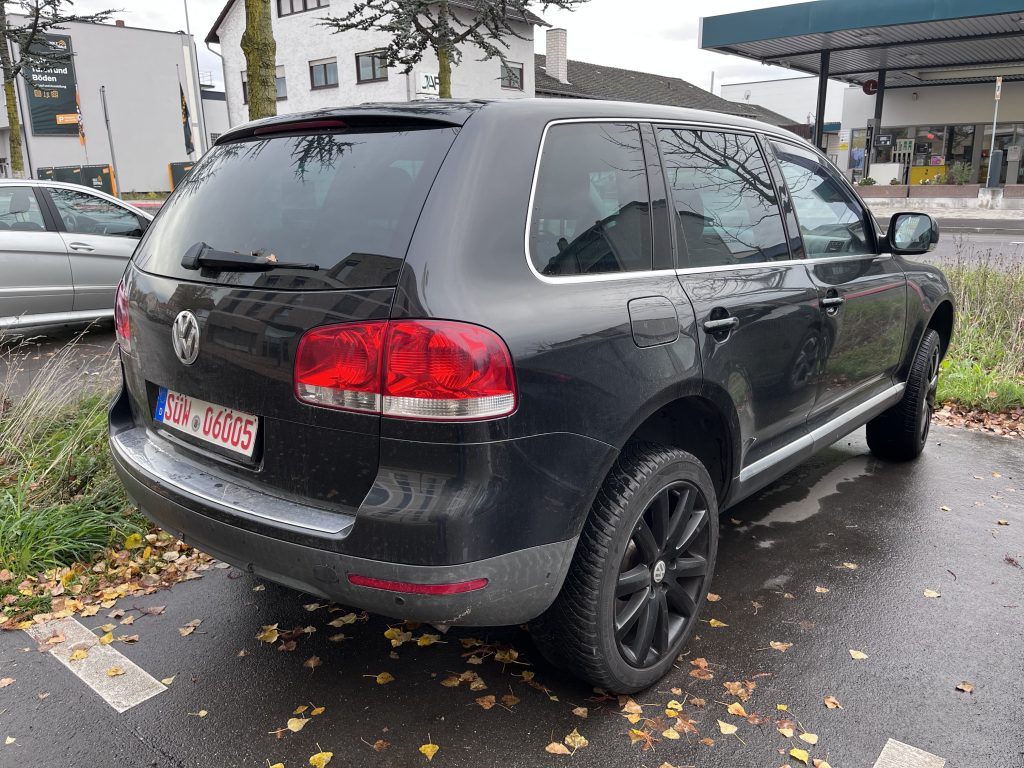
Due to the limited preparation time, we had a limited goal from the outset: four vehicles—but actually five. This time the selection turned out to be exotic: For the first time we had an Isuzu pickup, which was provided to our organization by a supporter at a substantial discount. The second surprise was the request for a VW Touareg, a model not previously requested, from a unit we have been supporting for a long time. The even bigger surprise came from Danyl, who knew us through our partner Lawyers’ Move—his unit is fighting in Pokrovsk, the epicenter of the fighting in Donbas. He wrote that they need to transport particularly heavy loads and asked for a large pickup, as they had had good experience with an American Ford F-150. Our search yielded a Dodge Ram with a 4.7-liter gasoline engine and automatic transmission—pretty much the opposite of what is usually requested. Danyl agreed immediately. The biggest surprise of all, however, came via email: A donor who wishes to remain anonymous offered us a barely used ATV as a donation in kind. We had no experience with ATVs whatsoever and had to ask our partners whether anyone could use it. We didn’t have to wait 10 minutes for the answer: absolutely. This was an extraordinarily generous donation, for which we would like to thank our donor again here. Our convoy was rounded out by a Hyundai Terracan, which after conversion will serve as another evacuation vehicle for the wounded (casevac). This SUV was financed by our partner 1019.ch—our sincere thanks also to Martin Fussen for the continued cooperation.
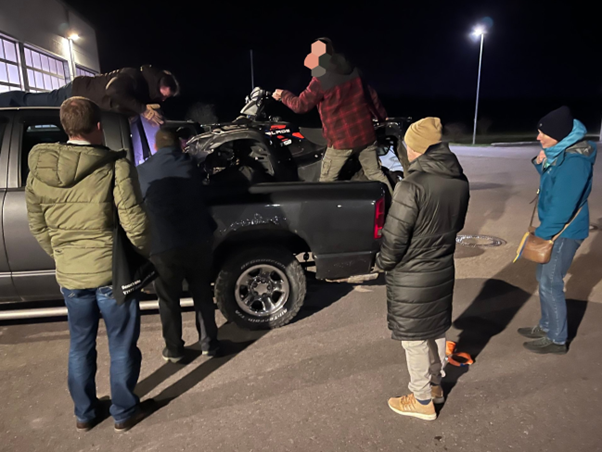
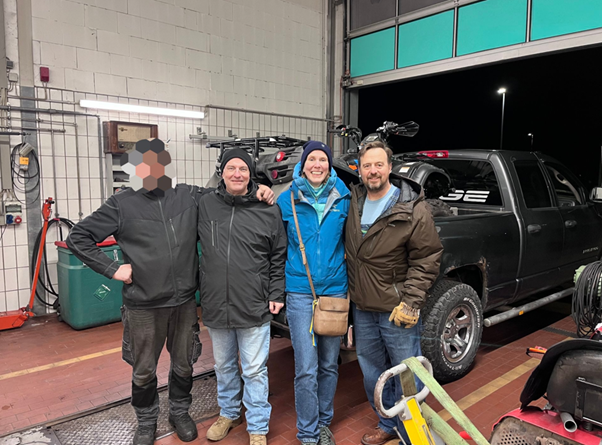
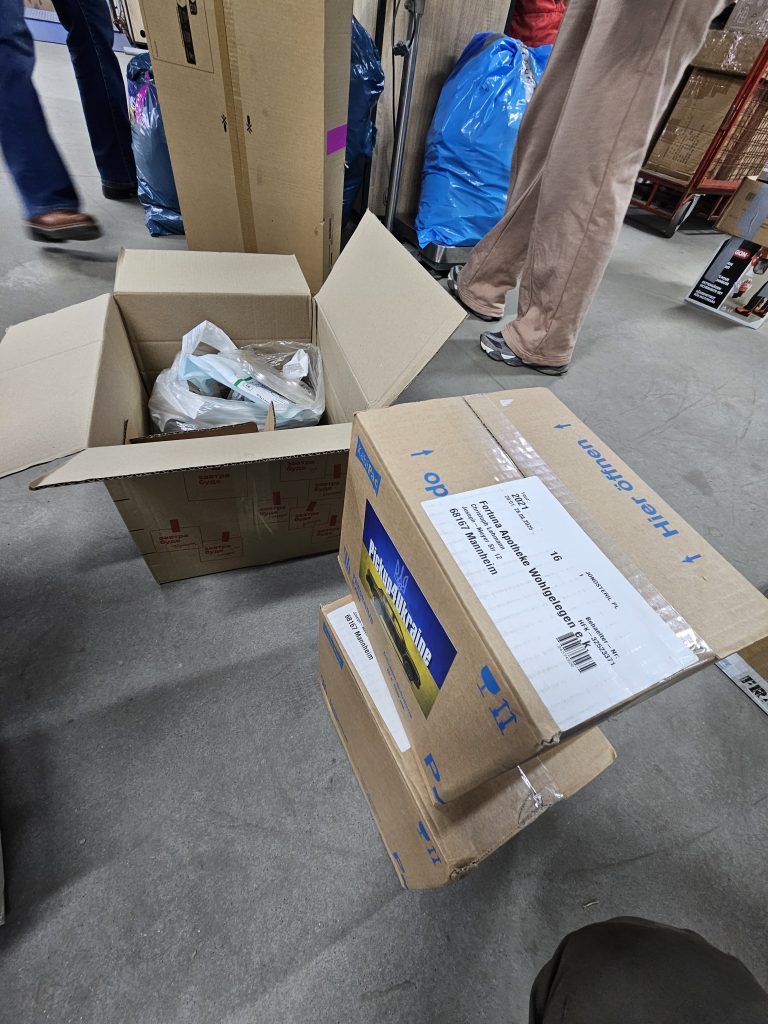
Three of the vehicles were loaded with surgical supplies for hospitals in Mykolaiv and Kharkiv, collected by Kati and Dr. Rainer Siebold. In addition, Roman, together with other helpers, helped us hoist the ATV onto the bed of the Dodge Ram and professionally secure it there. We then clarified in advance with the customs agency in Poland how we would have to declare this “vehicle on a vehicle” at the border.


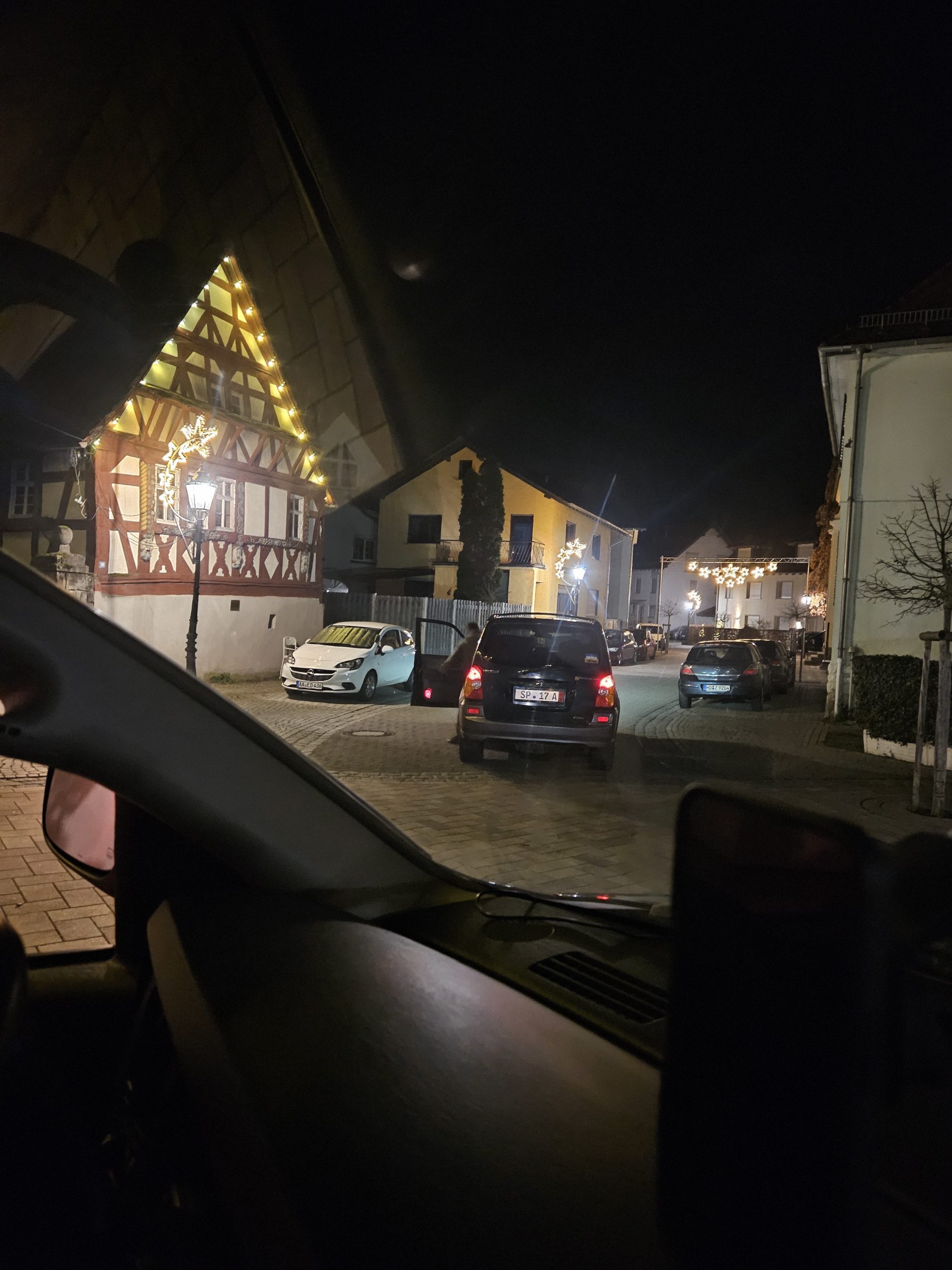
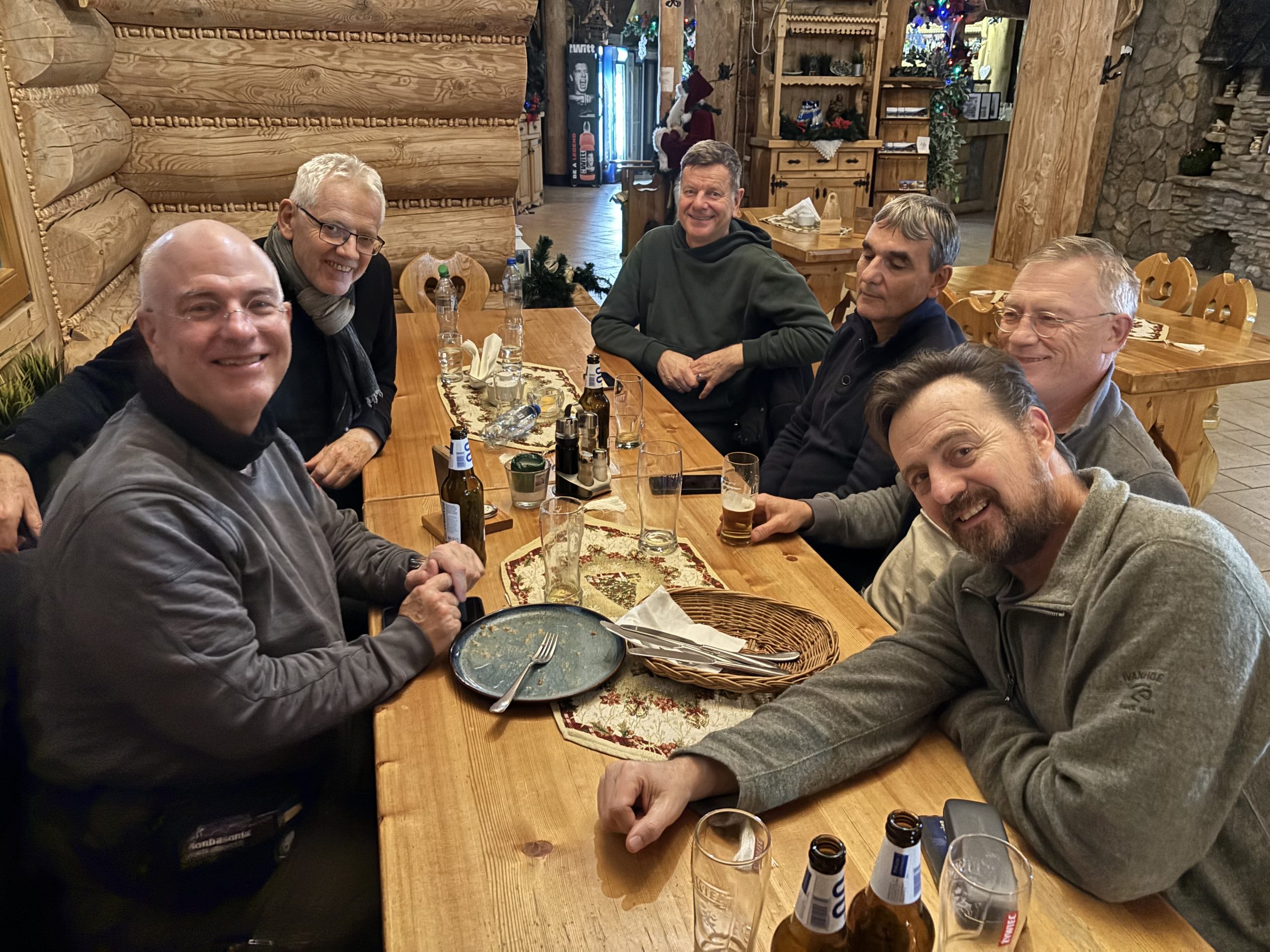
Once again, our convoy started early in the morning and arrived that evening after 15 hours just short of the Ukrainian border, where we received the export documents and had dinner together before going to bed.
The next morning we looked forward to quick processing at the border and rapid progress to Kyiv, but Polish customs once again had other plans. Despite the prior inquiries, the pickup/ATV combination didn’t fit into the administrative process. At our border crossing, it was cars or light trucks without cargo or large trucks with cargo. A pickup with a ATV on it (declared as a vehicle) didn’t fit this scheme and almost resulted in this truck having to drive to a different border crossing. Only the negotiating skills and outstanding Polish language abilities of Andreas P. made a compromise possible: as an exception, the ugly duckling could be processed as a large truck at the same border crossing—just jump onto the scale, and we’d be done. The other three vehicles crossed the border while Michael and Stefan F. remained in Poland. Minutes turned into hours after it was discovered that the “big rig” with the ATV had slightly exceeded its maximum weight. Not until evening, after a total of twelve hours, did our rig get through, while the larger group, after some waiting, had proceeded on to Kyiv and intermittently struggled with a recalcitrant turbocharger on the Touareg. This main group of three vehicles also arrived significantly delayed, around 10:30 PM, but safely in Kyiv. Michael and Stefan had to make do with a hotel on the outskirts of Lviv: The 12 hours of processing at the border had made it impossible go further that day.
Friday night, there were an air raid alarms in Kyiv and Lviv, so we spent the night directly in the hotel’s shelter. The planned power outage overnight—to relieve the Ukrainian energy supply damaged by Russian attacks—was already visible everywhere that evening: darkness, generators running only until 10:00 PM at night, and no heating.
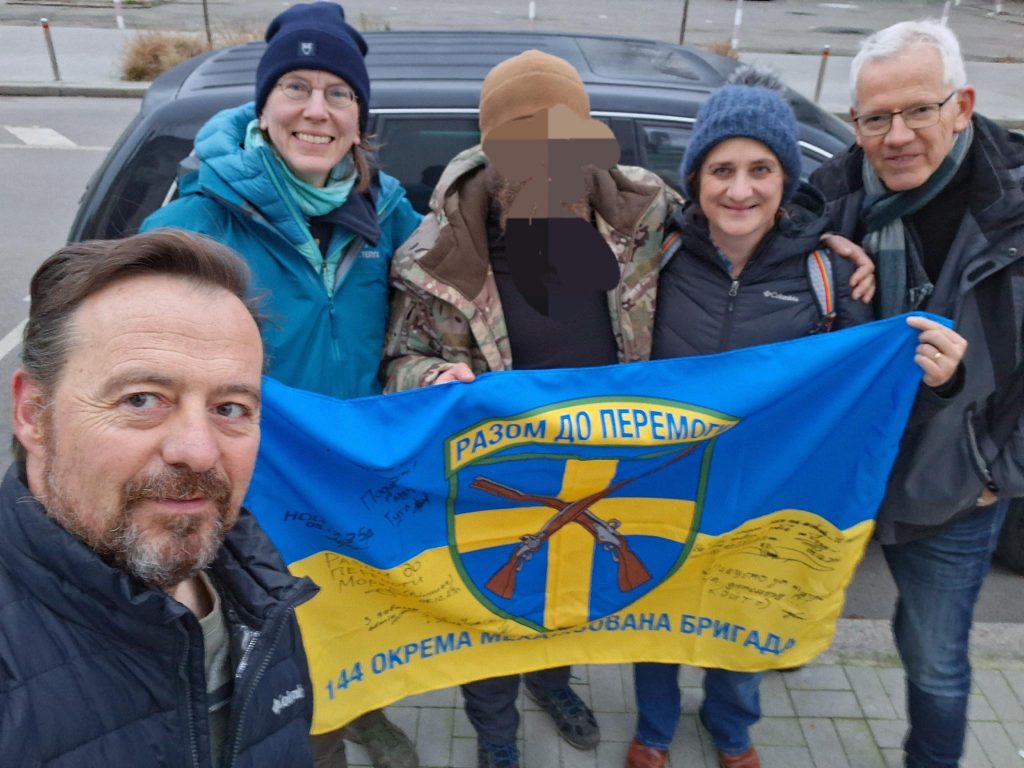
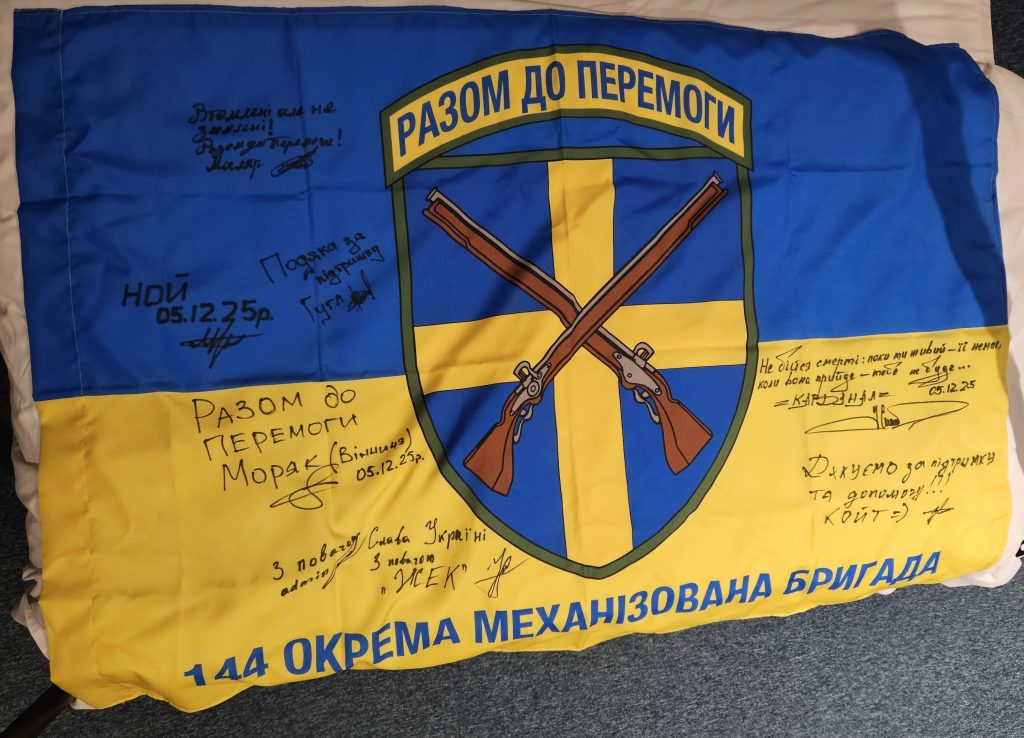
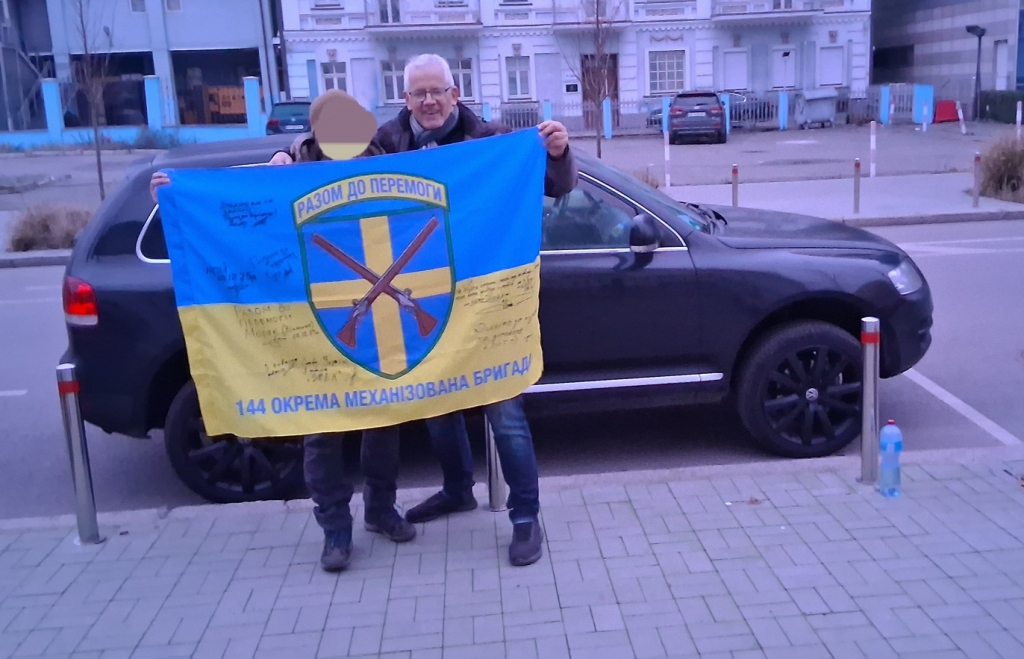
Early Saturday morning our first recipient was already on site to pick up his Touareg. “Moryak,” an officer of a drone unit of the Territorial Defense, is an old friend whom we first met in 2023. In conversation, he described the difficult situation at the front, the constant and increasing pressure from numerically superior Russian forces.
Subsequently, two of the vehicles were unloaded together with our partners from Ukraine’s Frontline Hospitals at the logistics company Nova Poshta, and the surgical supplies were forwarded directly to hospitals. As early as the following Monday, messages of thanks came from Kharkiv and Mykolaiv. Then the group continued to a suburb of Kyiv to the workshop where ordinary vehicles are converted into evacuation vehicles, among other things.
At the same time, Michael and Stefan drove from Lviv to Kyiv and arrived at the workshop around lunchtime. The ATV was unloaded with great skill without a ramp or any tools—after we had spent weeks thinking trying to figure out a solution to this problem. We were able to get insight into the conversion work from O., the workshop manager, and were impressed by his dedication and skill in creating highly specialized vehicles out of ordinary used cars for use under frontline conditions.
After that, we returned to Nova Poshta to unload the Dodge and then hand it over to Danyl. Danyl is a quiet man, a frontline veteran wounded three times. He described the terrible conditions, the dangers, and the losses his unit suffered and was highly pleased with his new monster pickup. He wrote the next day:
Dear friends, volunteers, and everyone else who supports us, we thank you from the bottom of our hearts for your work. Without your material and moral support it would be very difficult for us, as we all depend on people like you. Thank you very much again!
Our group spent the evening with our friends from Lawyers’ Move, who had prepared something special for us: a private screening of the film 2000 Meters to Andriivka by Mstyslav Chernov, the director of the Oscar-winning film 20 Days in Mariupol. The documentary shows unflinchingly from the soldiers’ perspective their experiences, the suffering, and the casualties of a battle during the 2023 counteroffensive. This viewing left us dumbstruck and reflective; it was a stark warning and reminder of what Ukrainian people have to endure and how precarious our own peace and freedom are. Back at the hotel, another air raid alarm during the night reminded us that this war isn’t far off. We spent much of the night in the basement again, which is thankfully well equipped for such cases. In our place of safety, we heard no explosions.
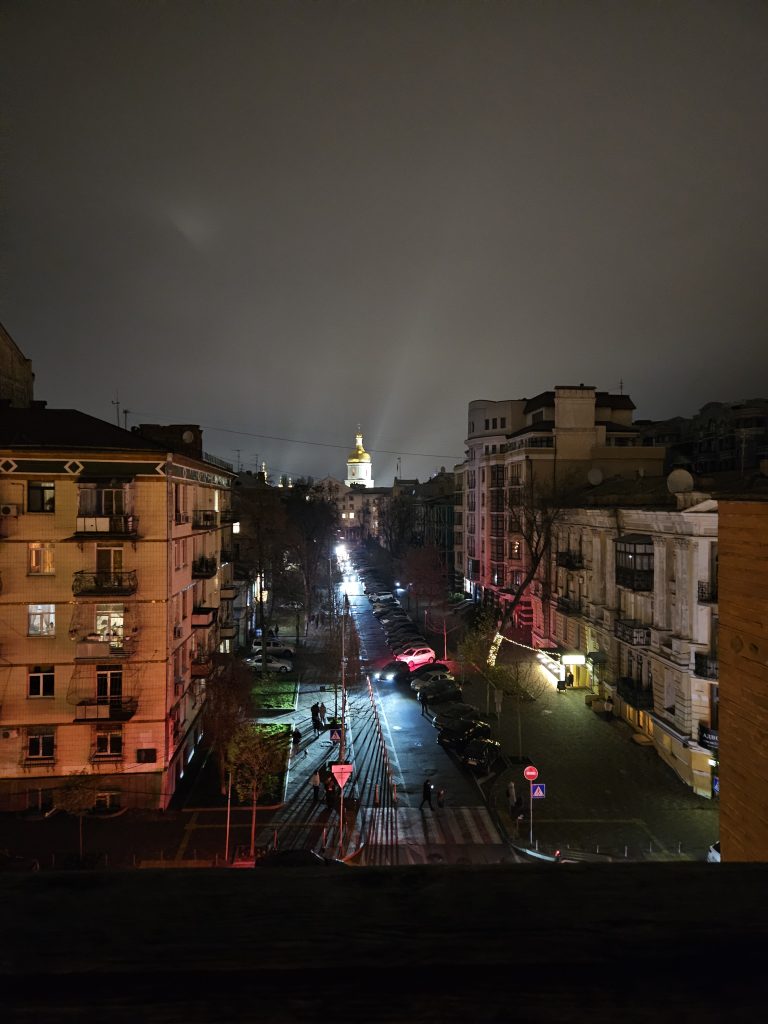
Kyiv this December had already changed: electricity is rationed, supply limited to six hours daily. On the street, you hear the roar of countless generators. In our hotel we therefore have the luxury of having electricity continuously from morning to evening. From 10:00 PM to 7:00 AM, however, it’s dark even in the hotel. The two large generators in the courtyard are switched off to save fuel to allow guests to sleep.
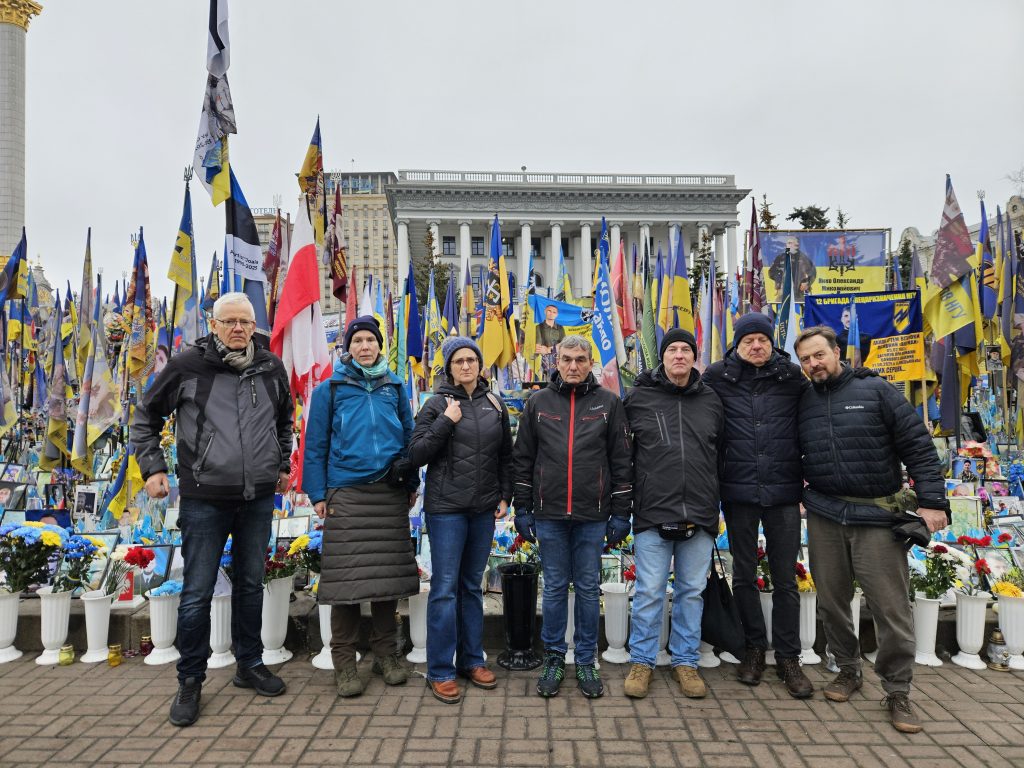
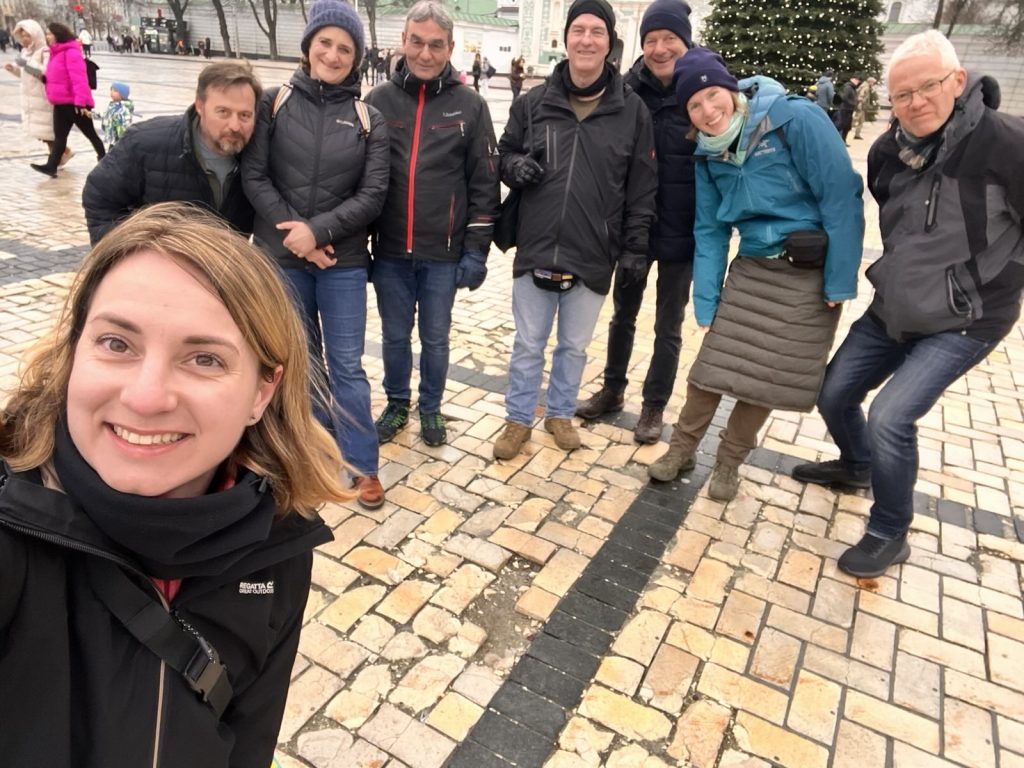
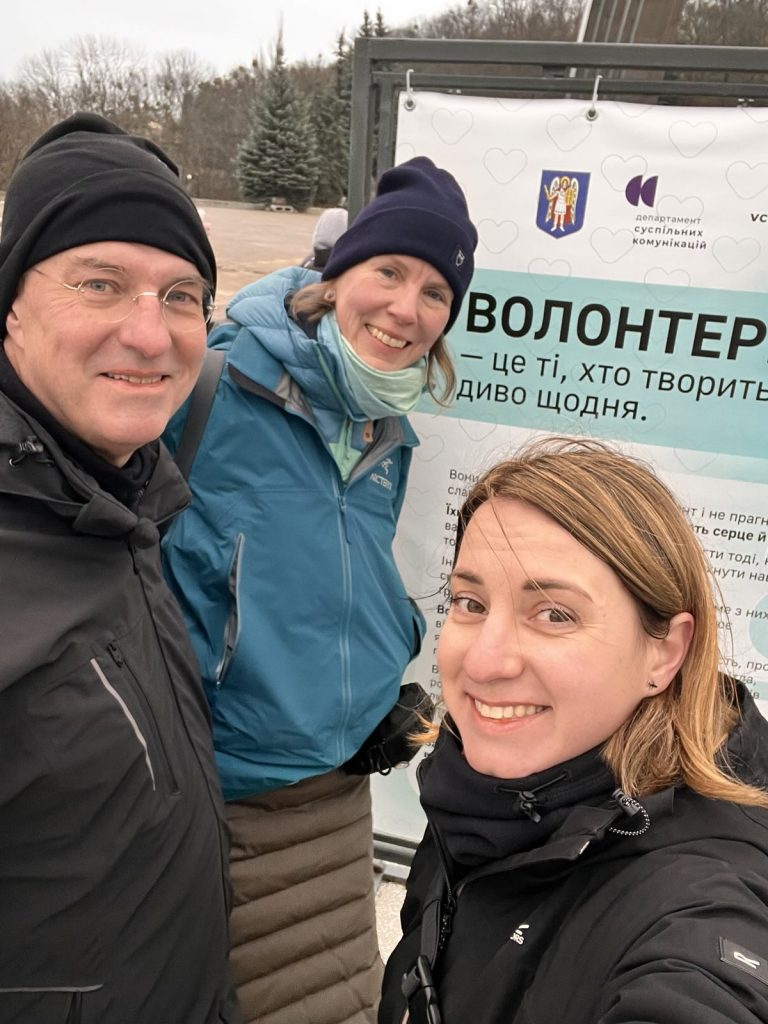
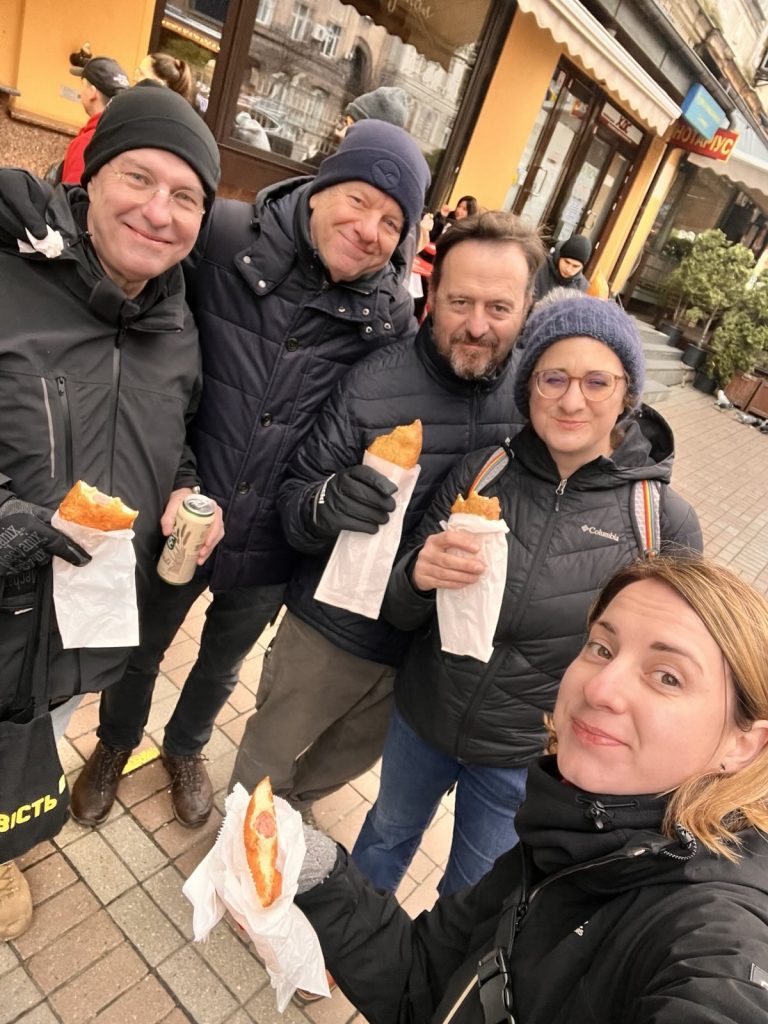
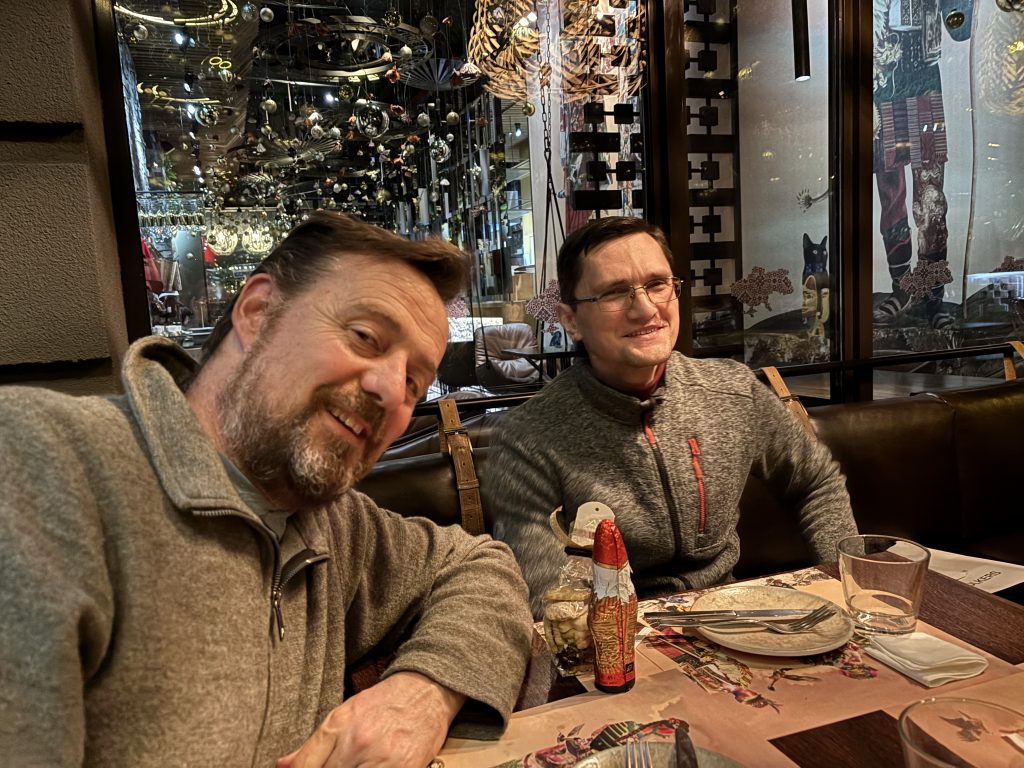
On Sunday, Nadia led our group on a walk through Kyiv to see historical and cultural highlights and to try a “Perepichka,” a Ukrainian pig in a blanket. Our conversation returned to the film, to the tremendous sacrifices, and to our own attitudes toward military service. Nadia explained that she was certain that she herself would join the army sooner or later. It’s about the country, and nobody may shirk their obligation.
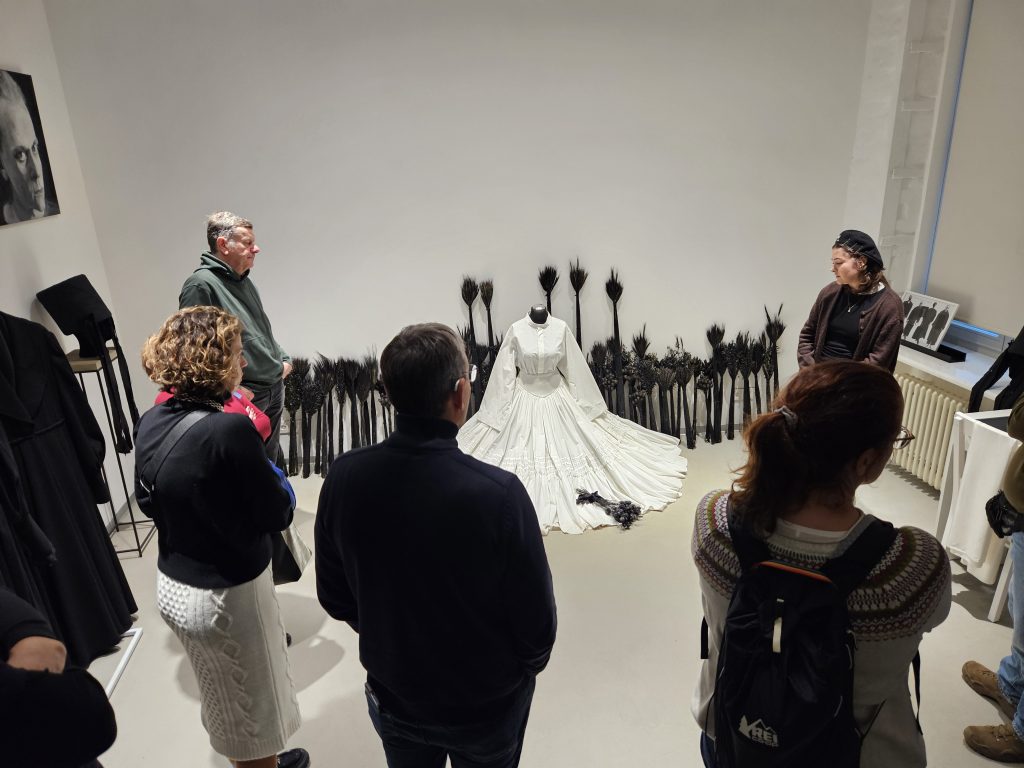
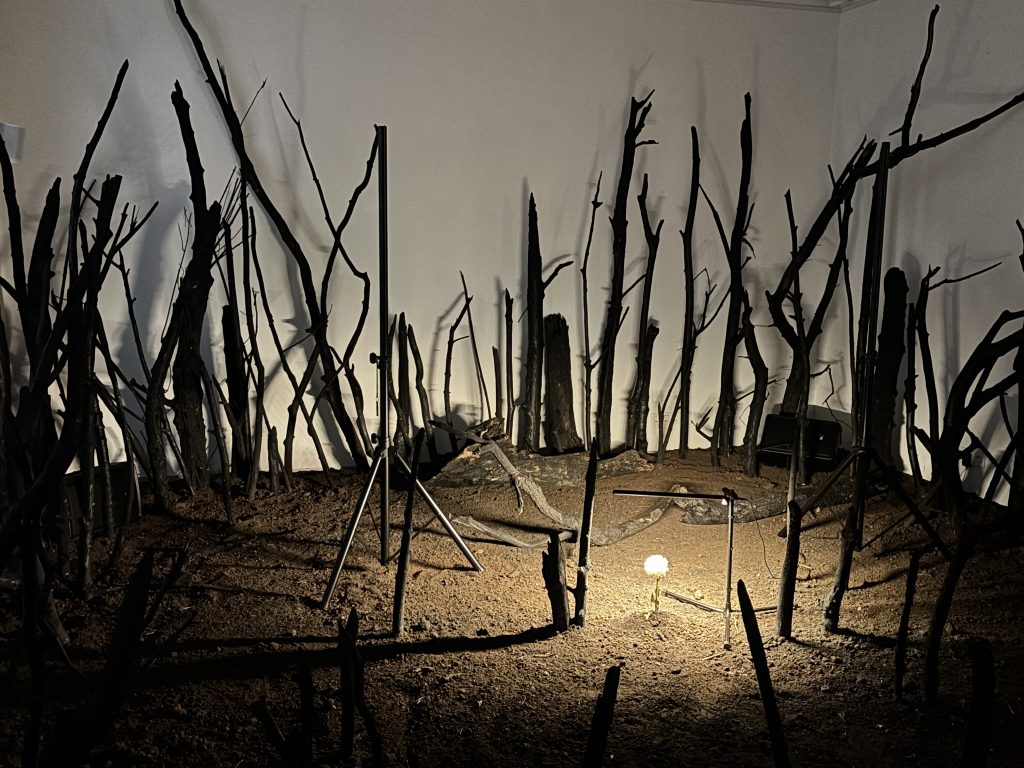
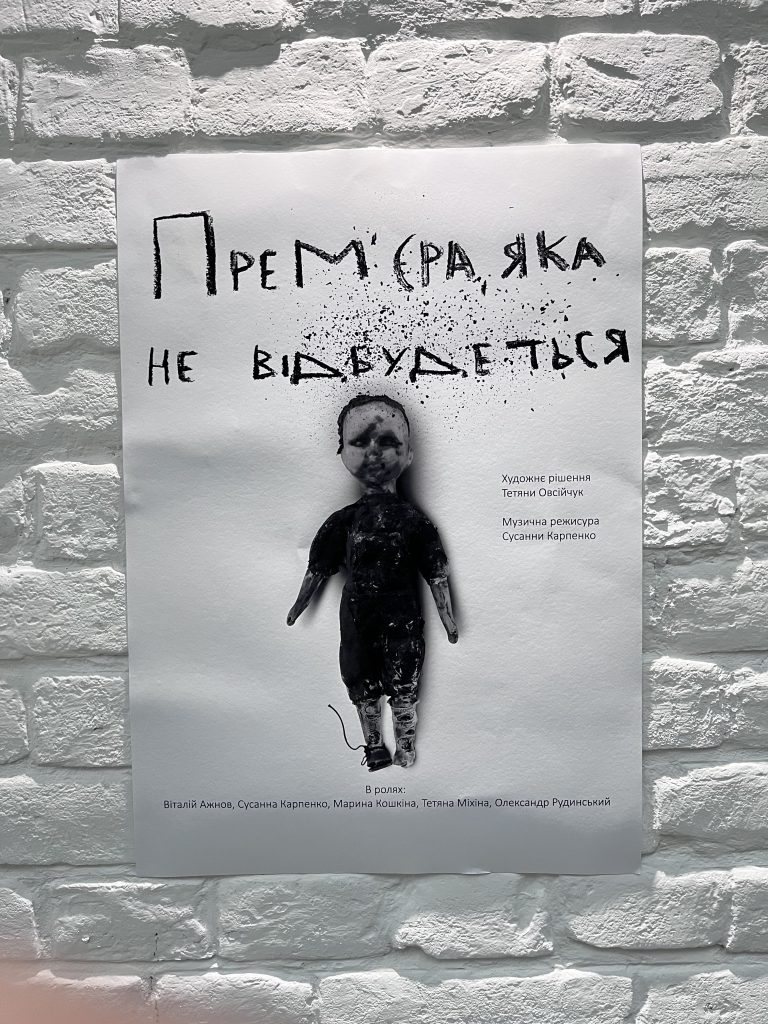
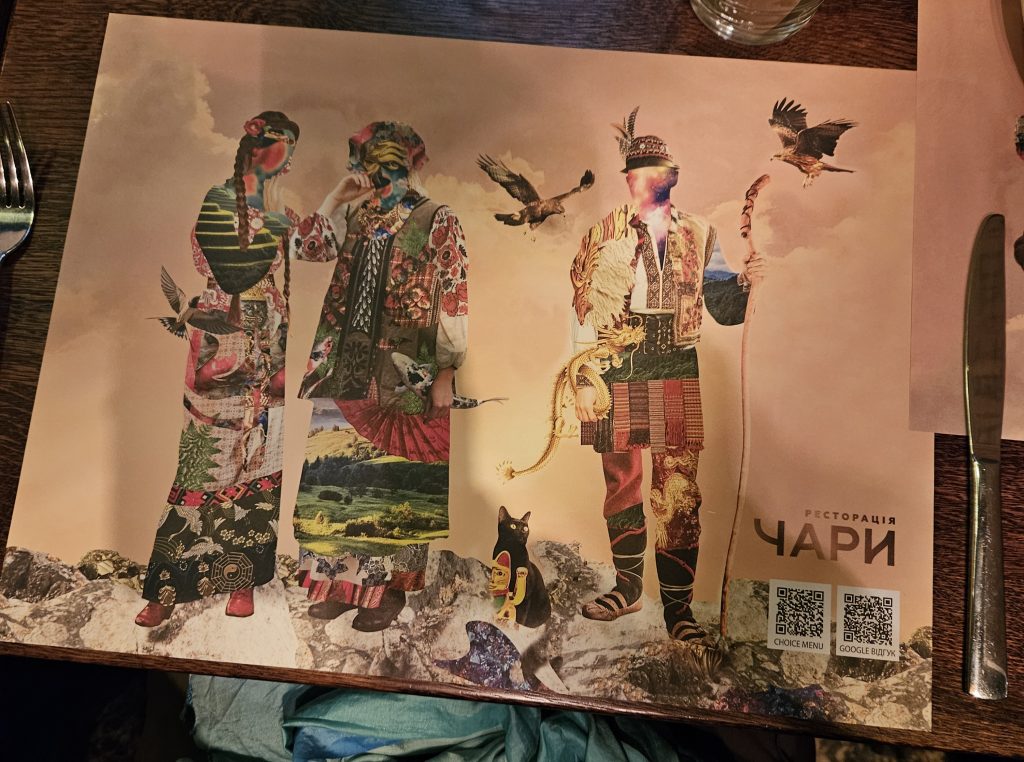
In the afternoon, we met with our SAP colleagues, as has become our tradition. As at every meeting in Kyiv, Anna Mykulytska had planned a cultural activity, a visit to the exhibition The Premiere That Won’t Happen by artist Tetyana Ovsiychuk. The exhibition addresses the rediscovery or reintroduction to Ukrainian traditions after the historical repression and forgetting of the last century. Costumes, installations, and videos strikingly convey a sense of gaps in memory and one’s own perceived history, where historical events were deliberately suppressed, where ancestors fell victim to terror and could not down their traditions. All this brought us closer to the losses that Timothy Snyder describes in “Bloodlands” in a striking way, with few words. At the same time, however, the exhibits expree the desire to live in one’s own identity, along with hope and resolve in the midst of destruction.
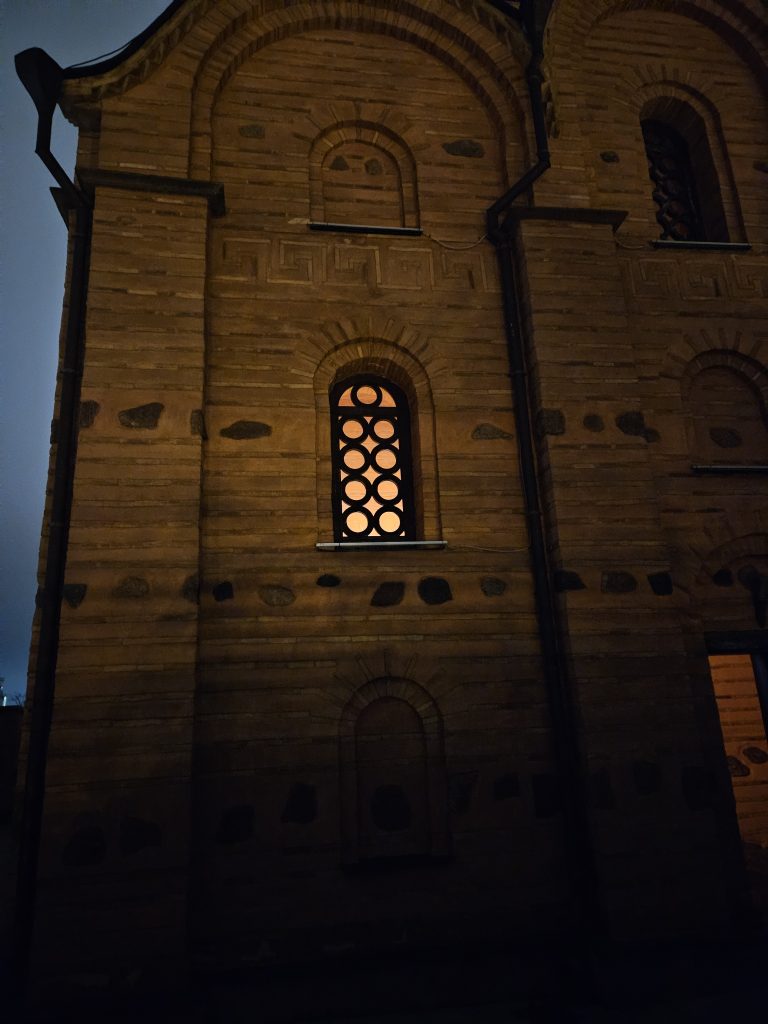
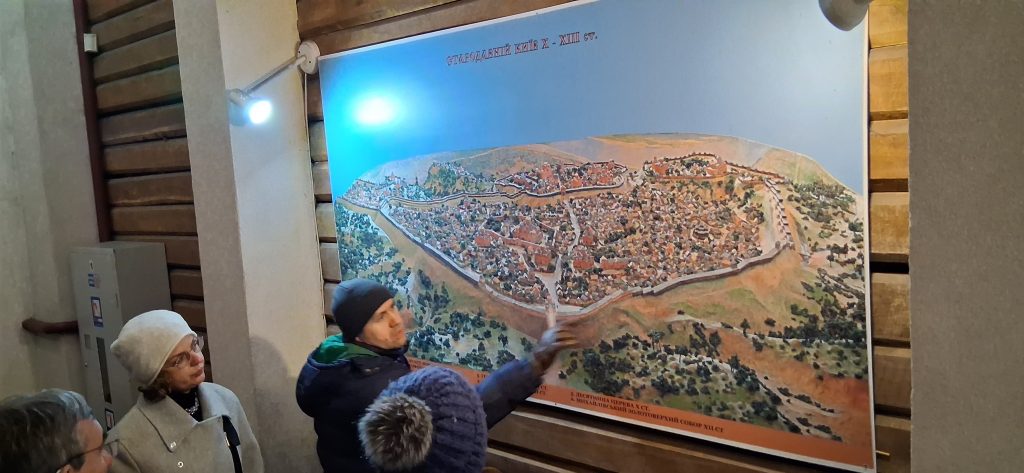
Afterwards, we were able to see the beginnings of this identity with a tour of the “Golden Gate” of Kyiv. This medieval gate, one of three in the city at that time, dates from the 11th century and still exists today as a ruin, enclosed within a “protective shell” which is a Soviet-era reconstruction. We could literally touch the more than thousand-year history that is still relevant to us today.
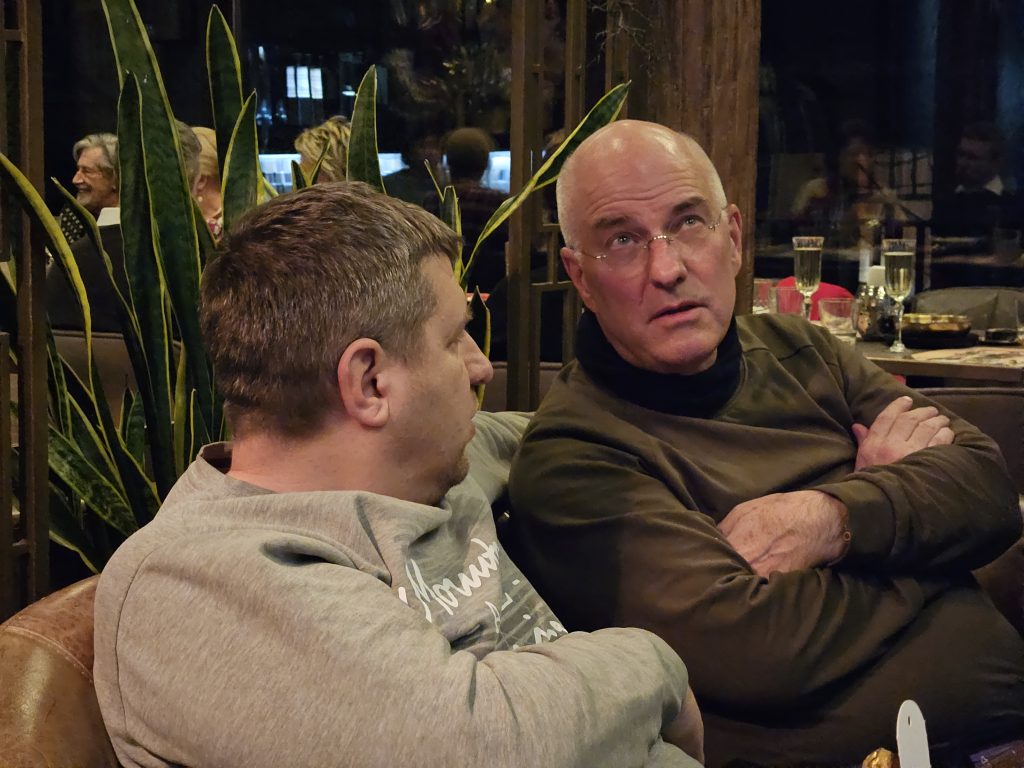
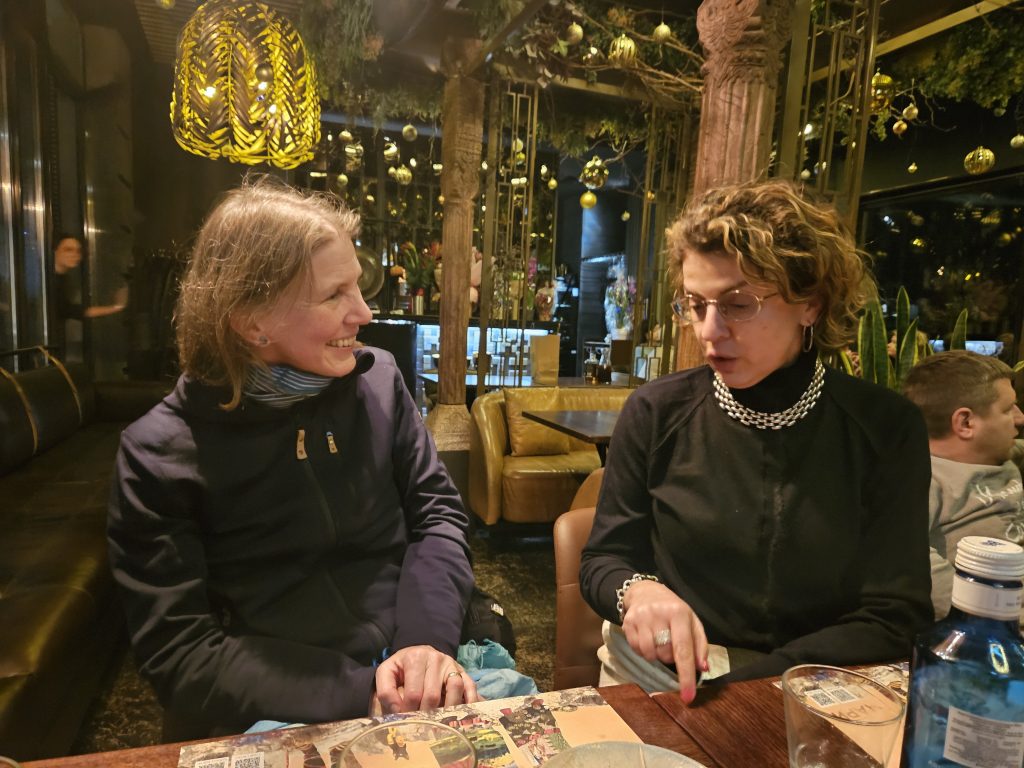
After a farewell dinner, our SAP colleague Yuriy brought us to the train station, where we boarded the night train to Poland. The train departed on time as always but experienced a considerable delay because the Fastiv station had been destroyed by Russian bombs two days earlier. The detour cost us three hours on the way to the Polish border. Ukrainian Railways made up an hour of that delay on the remaining route, so that we just managed to catch the connecting train and reach the airport in Krakow on time.
Our Ukrainian friends emphasize again and again how important it is to them that we abroad do not forget Ukraine, that we keep coming, deliver urgently needed vehicles, and, not least, simply show solidarity through our presence in the country. We certainly didn’t have this effect in mind three years ago, but the longer the war lasts, the more important the support of foreign friends becomes.
Pickup4Ukraine started up three years ago. Originally, the intent was to do a project to buy a pickup, and we could not have dreamt that this undertaking would become a multi-year job. What started as a sprint by necessity became a marathon. For Ukrainians but also for Europe, Russian aggression is a marathon. We are determined to meet this challenge and not to give up.
Our deliveries are realized through the work of many people, and we would like to thank in particular Roman, who helps us with his technical expertise and tireless commitment to find cars, inspect them, assess their technical condition, pick them up, and carry out necessary repairs. With his help we can buy more cheaply and drive more safely. We thank Kati and Dr. Rainer Siebold for their continuing valuable support providing medical supplies. Finally, there are the drivers with whom we bring the vehicles to Ukraine who pay the costs for fuel, accommodation, and food for the trip out of their own pockets so that we can use donated funds exclusively for the cars and other aid.. This expense is considerable, so we also thank them at this point for this special generosity. Cars, even old used cars, cost a lot of money. We thank everyone who makes our activities possible with their financial contributions. After three years, we are still able to deliver—and we will continue to run our marathon.


