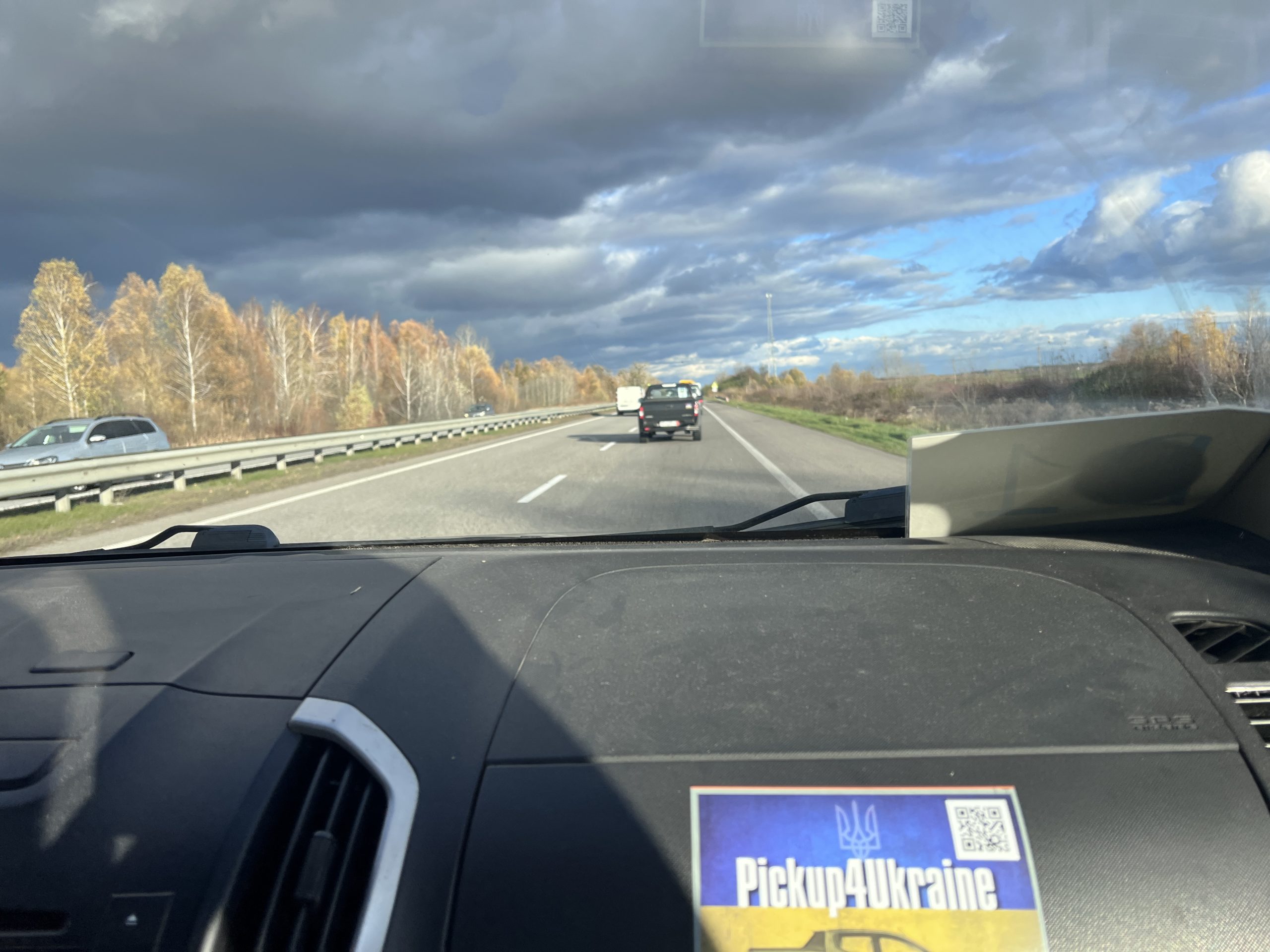
Just after a busy day in Kyiv where we all in a group of 20 drivers had met with soldiers of the Ukrainian Armed Forces, dispatching donated wheelchairs to hospitals, and meeting with a partners and friends, the author received a text. An officer of the Armed Forces of Ukraine who had taken possession of a “new” pickup that day sent the following message:
LETTER OF GRATITUDE
On behalf of all the personnel of the MARAKUT Unit, we would like to express our sincere gratitude to the team of donors and everyone who contributed to providing a vehicle for our military personnel.
For some, it may be just a vehicle, but for us, it means so much more. It means mobility, the ability to carry out combat missions efficiently, support our brothers-in-arms, and, most importantly, save the lives of our soldiers.
We truly appreciate your kindness, trust, support, and willingness to make a real difference. Thanks to people like you, we know that we have a strong and reliable community standing behind us.
May your kindness return to you many times over, and may all your good deeds bring you peace, prosperity, and confidence in the future.
“Volodymyr” [Name Redacted]
Two months earlier…
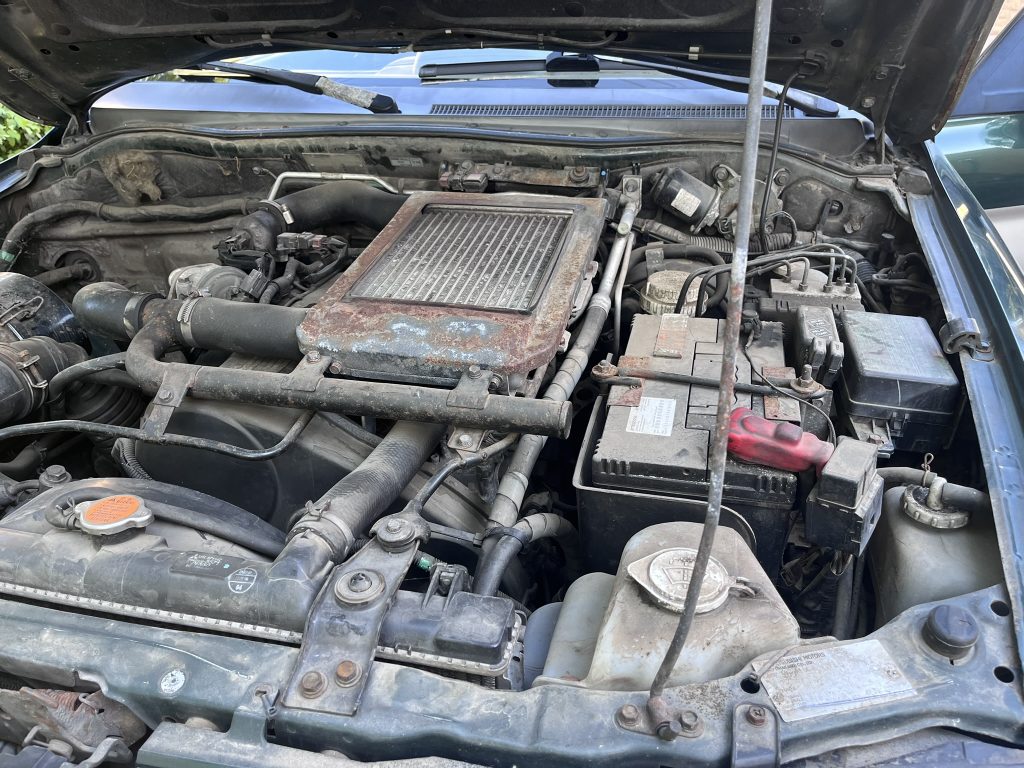
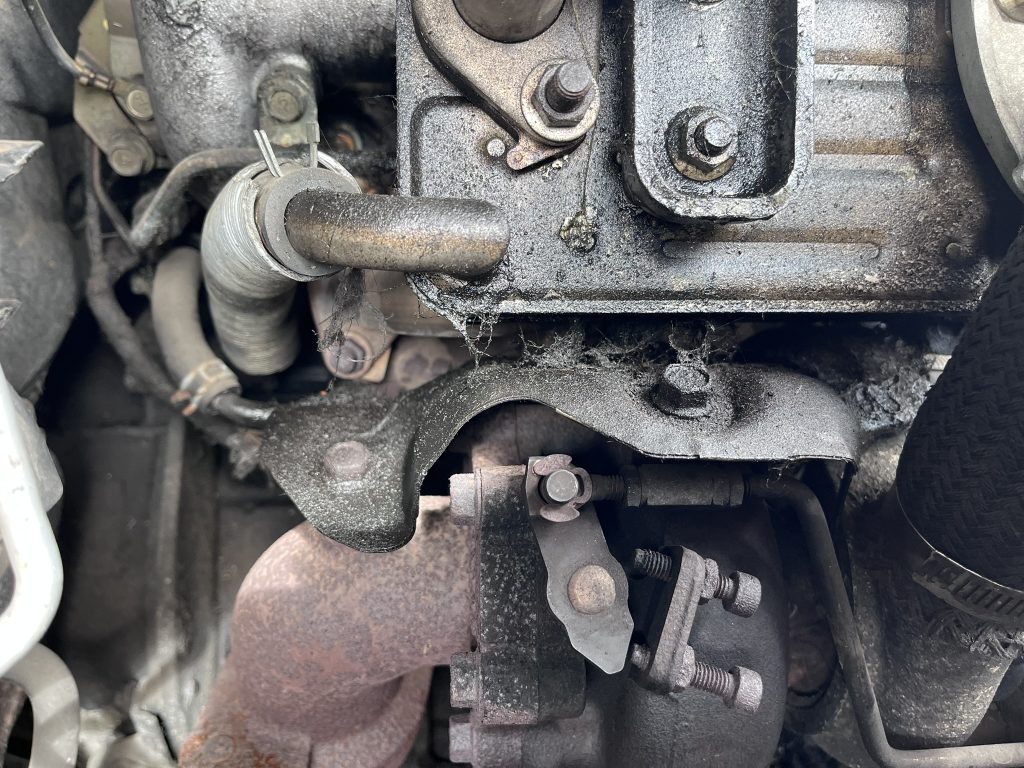
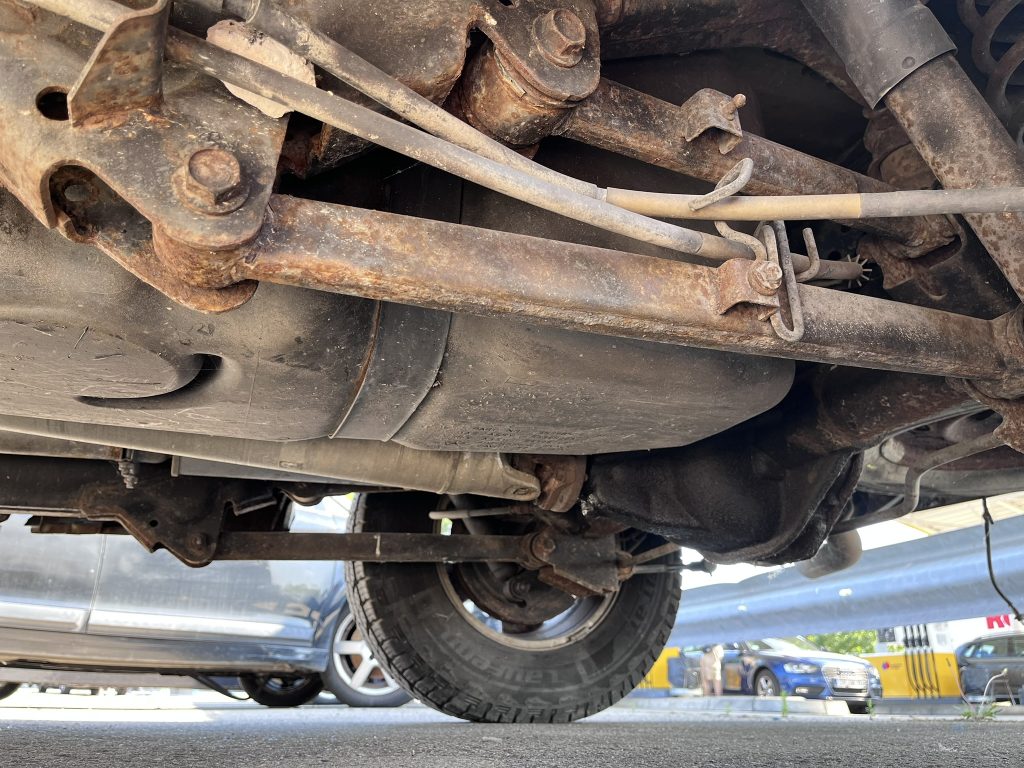
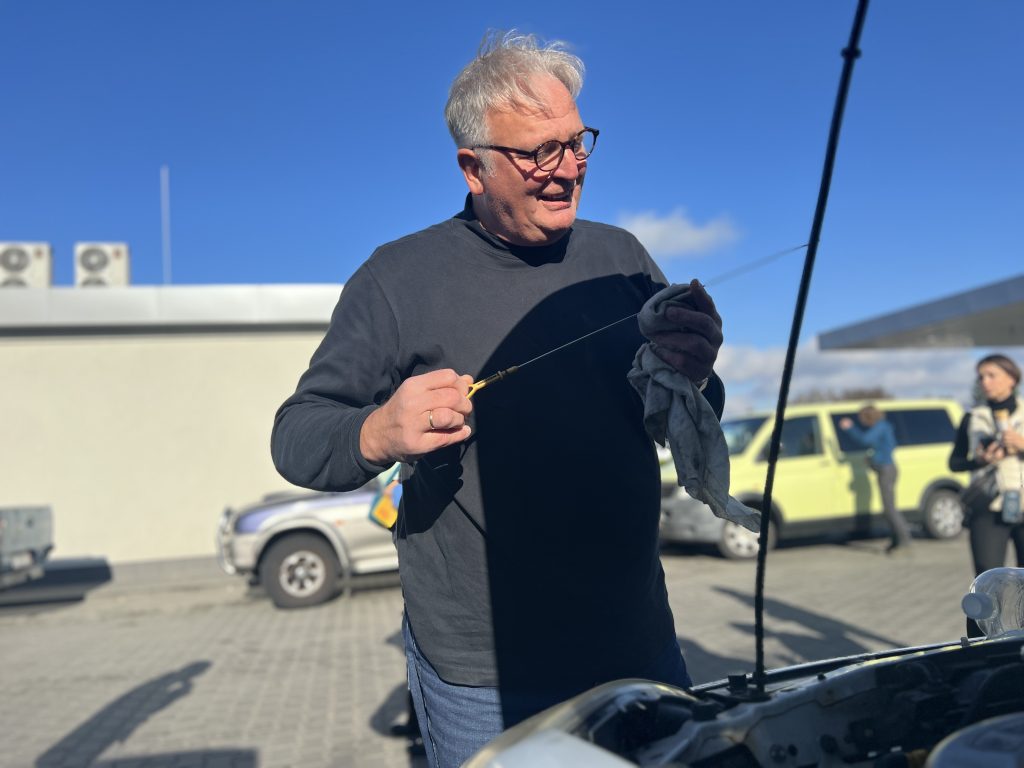
Dented and scratched, the pickup I am looking at is filthy. The seats are ripped; the interior and the engine compartment are covered in dust. The odometer displays over 200,000 kilometers. I crawl underneath to inspect for oil leaks and knock on the frame with my Leatherman to see whether it just looks rusty or is about to break in half. I remove the dipstick and smell the oil (does it smell like diesel?), looking closely to see whether it is clean, black, or milky. Black is about as good as it gets. I start the engine and listen for the clues our expert mechanic, Roman, told us to pay attention to. I don’t have his ear and try my best. I take it for a test drive, pumping the brakes, testing the shifting, and trying to figure out whether the noise I am hearing is just an old knocking diesel engine or a sign of impending catastrophe. I’m not a car expert or even a car lover. Probably nobody dreams of scouring the used-car market for halfway decent vehicles at a budget price, but I remind myself that this is important.
“For some, it may be just a vehicle, but for us, it means so much more.”
An expanding network of supporters across Germany, some greatly more talented than this author, are doing the same work, because all of us know that people like Volodymyr badly need the twenty-year-old vans and pickups.
Most of the time, we do a good job, and with some remote assistance from Roman, we get a good deal. Occasionally, we make mistakes that have to be fixed. Sometimes, sellers ask what we plan to do with their old car. If we get the sense they’re sympathetic, we tell them. Some are astonished when we say we are driving trucks to Ukraine to serve at the front. Others are distinctly uninterested, while a few want to debate about war and peace. Every trip poses unexpected challenges. We work hard to learn from previous experience and mistakes, but there is always something new. Based on the experience from the last convoy in August, we completely revamped the tried-and-true customs process we had used since 2023. In August, our customs agent in Poland informed us that the Polish government was strictly enforcing an EU export regulation on fluorocarbon-based coolants of the type found in older-model cars, forcing us to have the coolant removed from the vehicles we were taking to Ukraine. The resulting expense and delay were unexpected and aggravating. This time, we researched thoroughly and found that Germany has a different interpretation of the EU regulation and would not require us to have the coolant removed. In addition, we could get customs clearance before we left Germany rather than at the border, saving us the stop and the wait there.
First Day
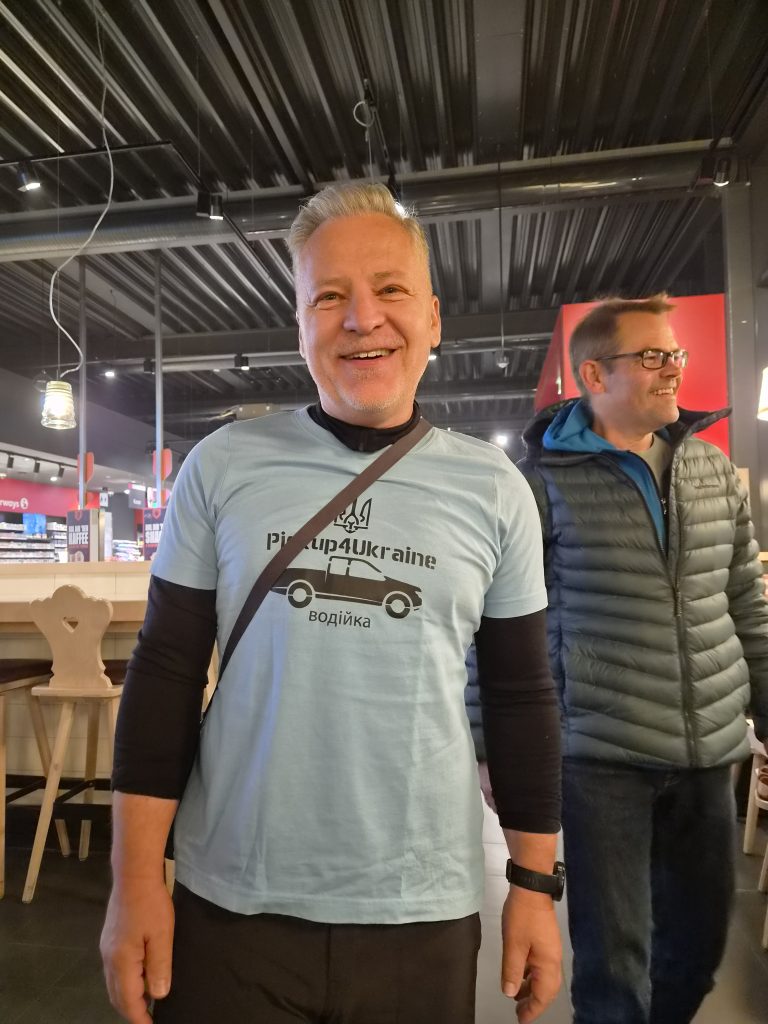
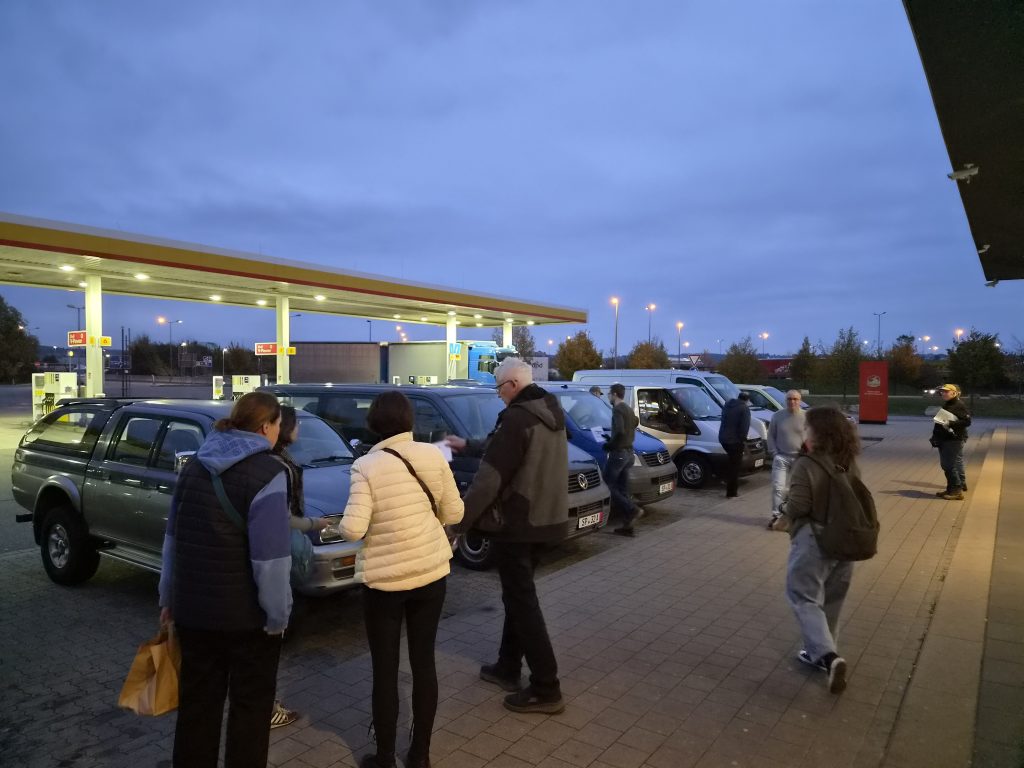
We were very happy with the route we took in August, spreading out the drive to Kyiv over three days. Our convoy came together from three directions, and we drove without incident, arriving according to plan in Katowice, where we sat down to a set dinner table with our impressively large group of 21 people driving 11 vehicles to the East.

Second Day
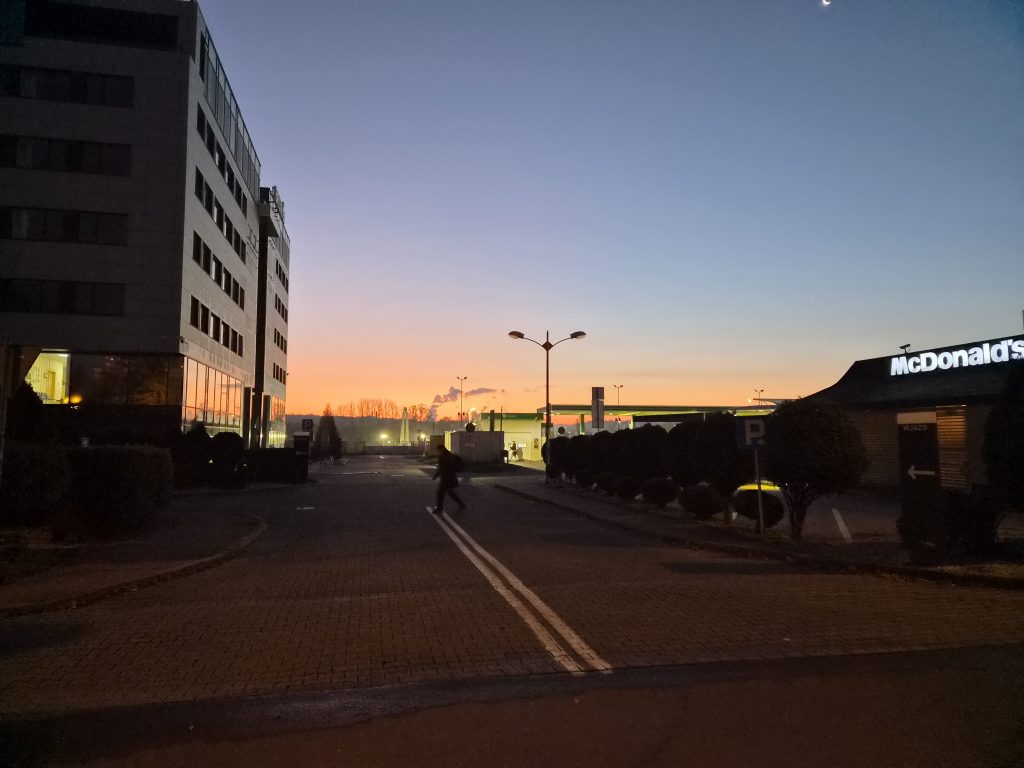
In the morning, we set off for the border, still three hours away, and, again, made it without incident around midday.
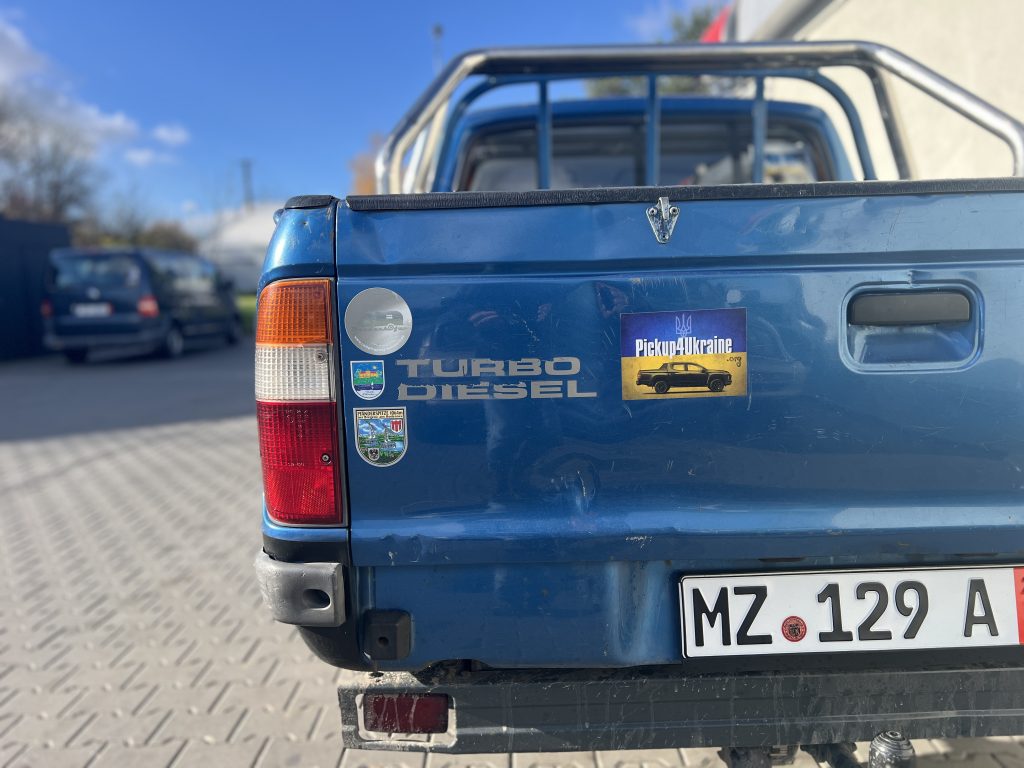
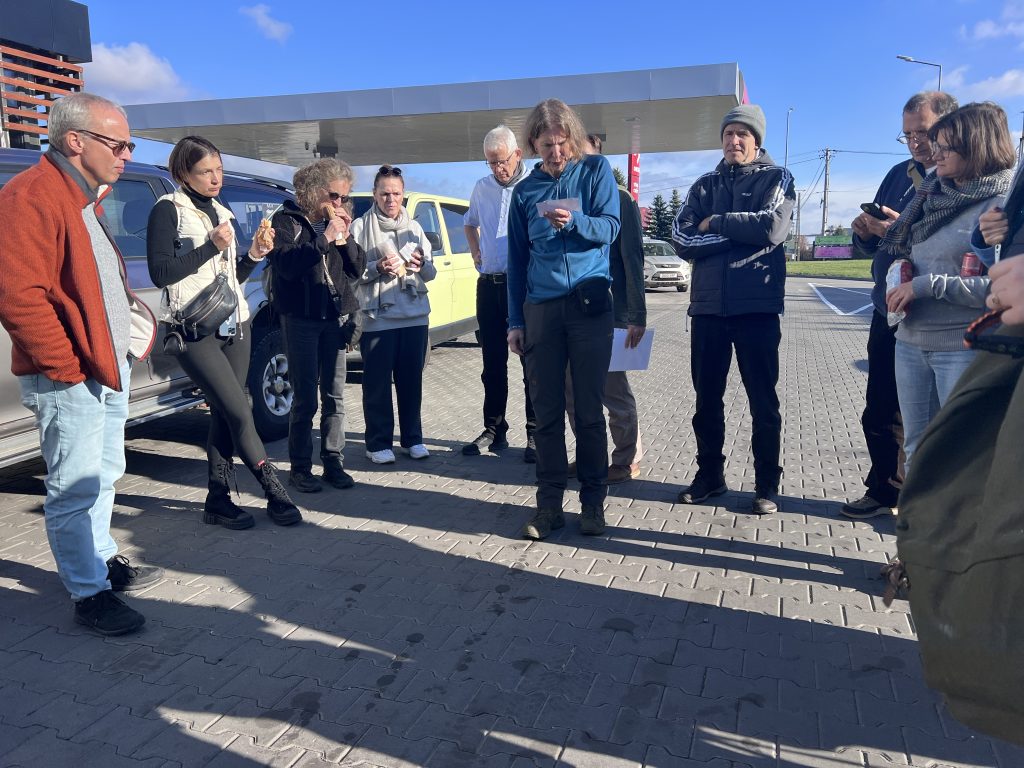
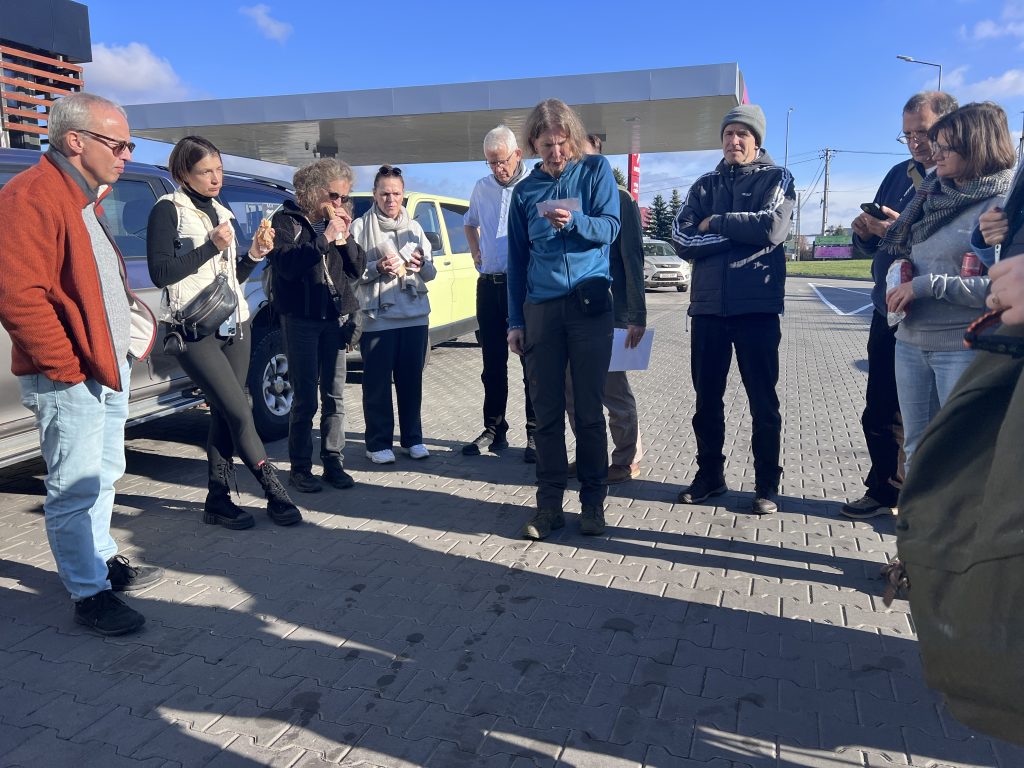
It was at this point where our luck ran out. While we had fared well in August with this strategy, this time there was a very long line of cars awaiting processing at Medyka.
Getting out to reconnoiter, we quickly determined that we would be stuck there for hours. A plea to the border guard to let us jump the line as humanitarian aid providers went unheeded.
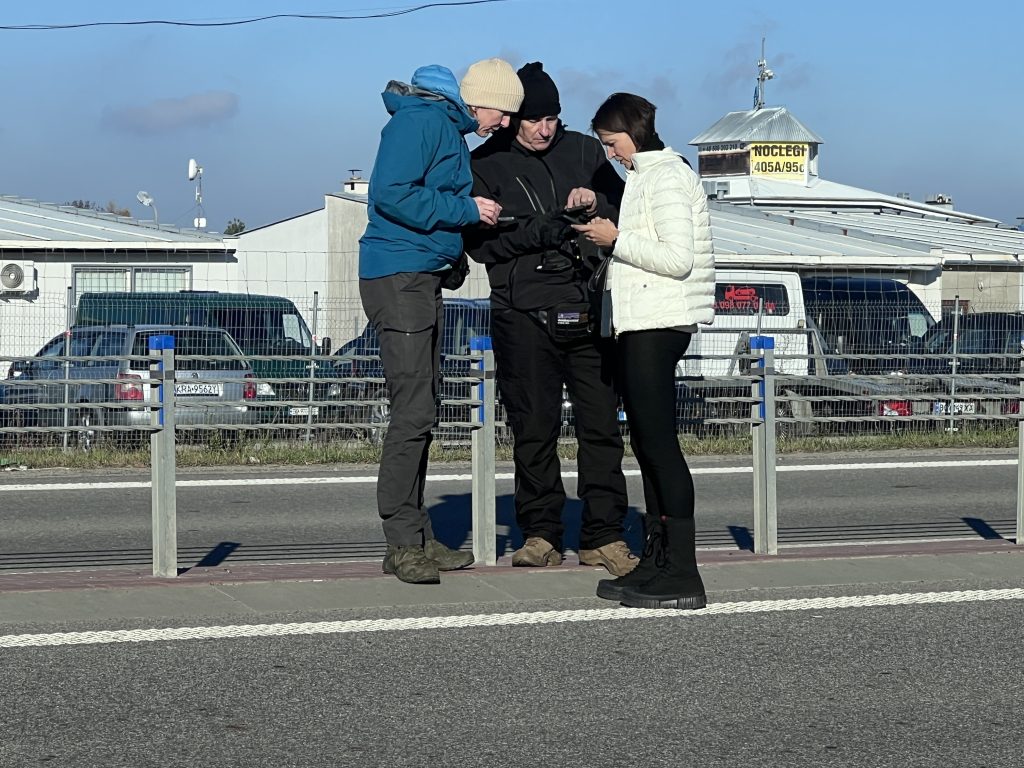
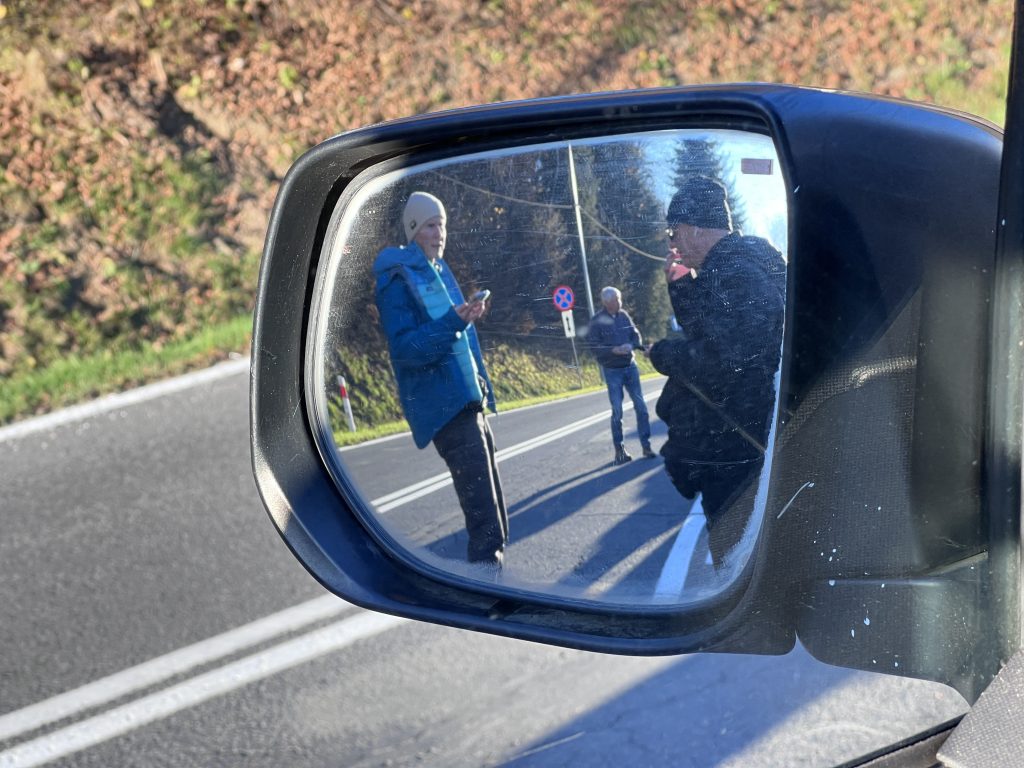
An hour passed, and Annette and I conferred to decide what to do next. We could tough it out, or we could try a different border crossing. Annette had a tip from another organization that a small, remote border crossing about 45 minutes’ drive away might be less frequented. Faced with the choice between certain endless waiting or a chance to escape, we decided to take the risk, turned our convoy around, and headed for Krościenko, driving through the foothills of the Carpathians on narrow, winding roads on a sunny, crisp afternoon, while making the mental note not to take this route in winter. Approaching the border, the author initially thought we had we had found the solution to all our border problems but quickly discovered that there was, concealed around a bend in the road, an even longer line than we had been waiting in before.
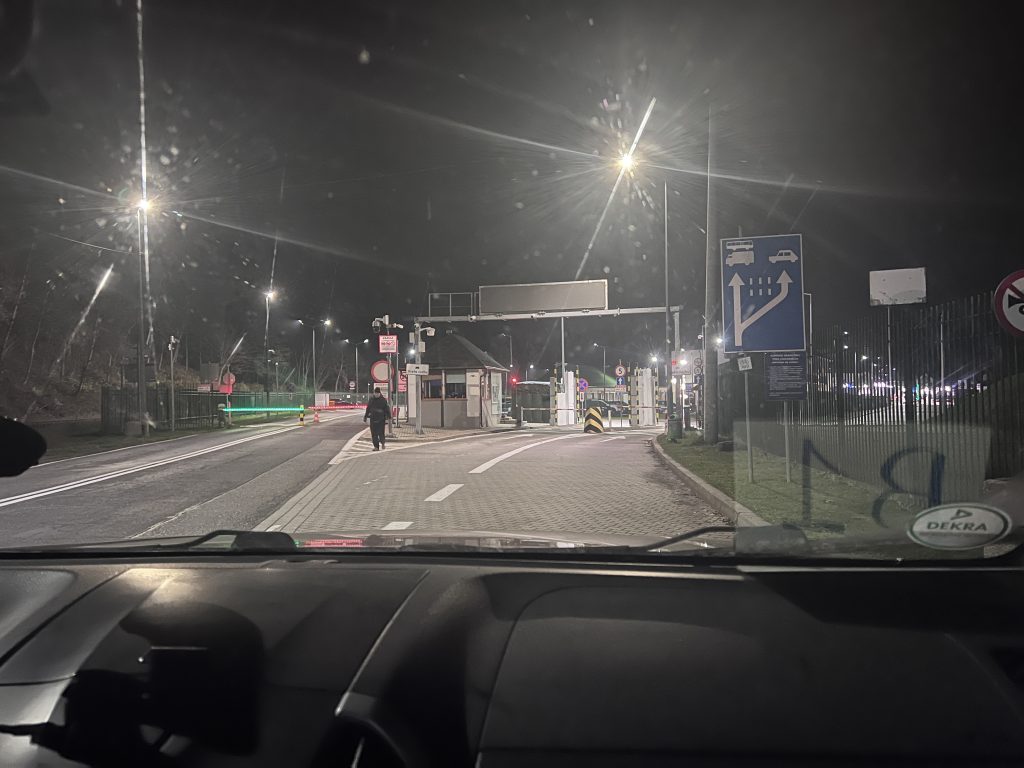
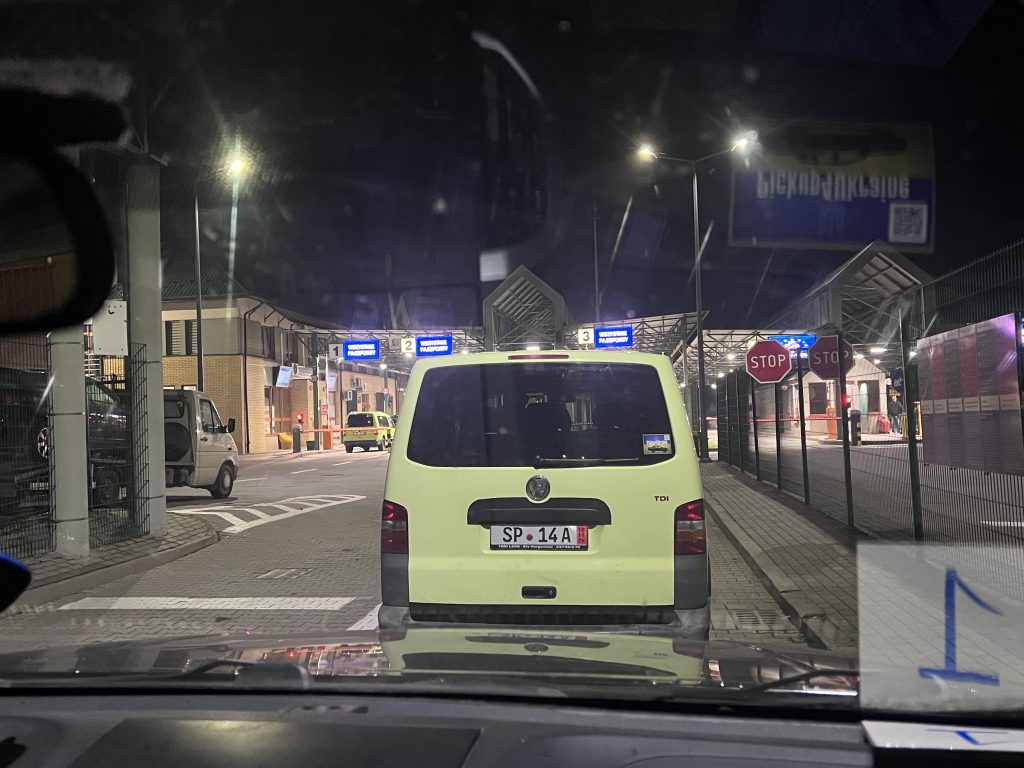
With daylight rapidly failing and little prospect of finding a better option, we conferred again to decide what to do. We might have ended up going to a hotel in Poland and trying again early the next morning but decided to appeal to the border guard in this location.
Annette and Olena made the best possible case for our humanitarian intentions, and this time, the border guard showed some sympathy. She summoned a customs official who finally consented to let us jump the line (though the people who had been waiting for hours with their cargo could not have been happy). There was one catch, though: we would not be allowed to go through all at once but would be admitted one at a time. One vehicle would be let in to the border for processing, and only after this one was inside would the next vehicle be allowed to approach the gate, where it would wait to be let in. While not ideal. It was a much better alternative to just waiting, as others waiting in line assured us that we would be there all night.
Even with this “expedited” piecemeal processing, it took about five hours for all eleven cars to get through. We ended up breaking the convoy to let those first in line who had already made it through proceed on to Lviv, where our first handover was originally planned for that evening. Annette and Christian arrived first and thoughtfully arranged to have the hotel restaurant set aside some borscht for those coming after them and order breakfast for the group for the next morning. The last of us arrived shortly after midnight.
Third Day
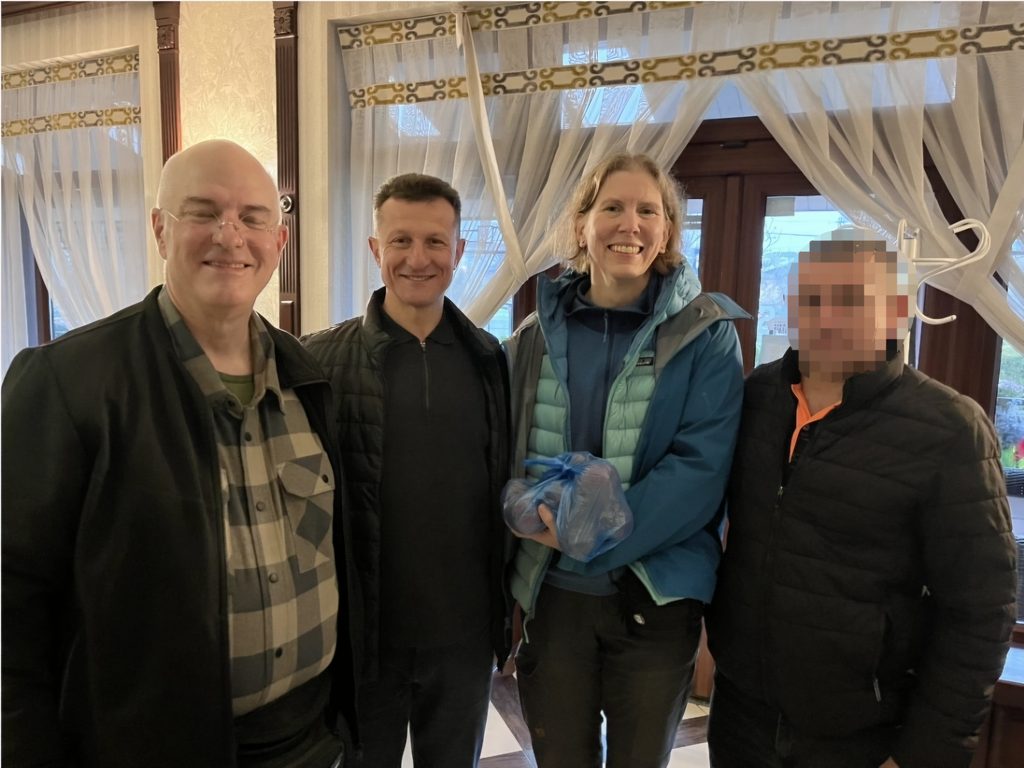
On Friday morning, the first order of business was to meet with Ivan, a soldier on leave who, as it turned out, lives practically next to the border in Medyka. Our detour to Krościenko caused some confusion, so he traveled with our mutual friend, Father Taras, to meet us near Lviv and pick up his Ford Ranger.
With this accomplished, our group started out on the road to Kyiv. Until now, we had never had cause to worry about our personal security on this part of the journey, but in recent months, the Russians have targeted gas stations along the major highways. For this reason, some gas stations have started to close during air-raid alerts, so we decided to plan out more options to avoid being unable to get gas when we needed it.
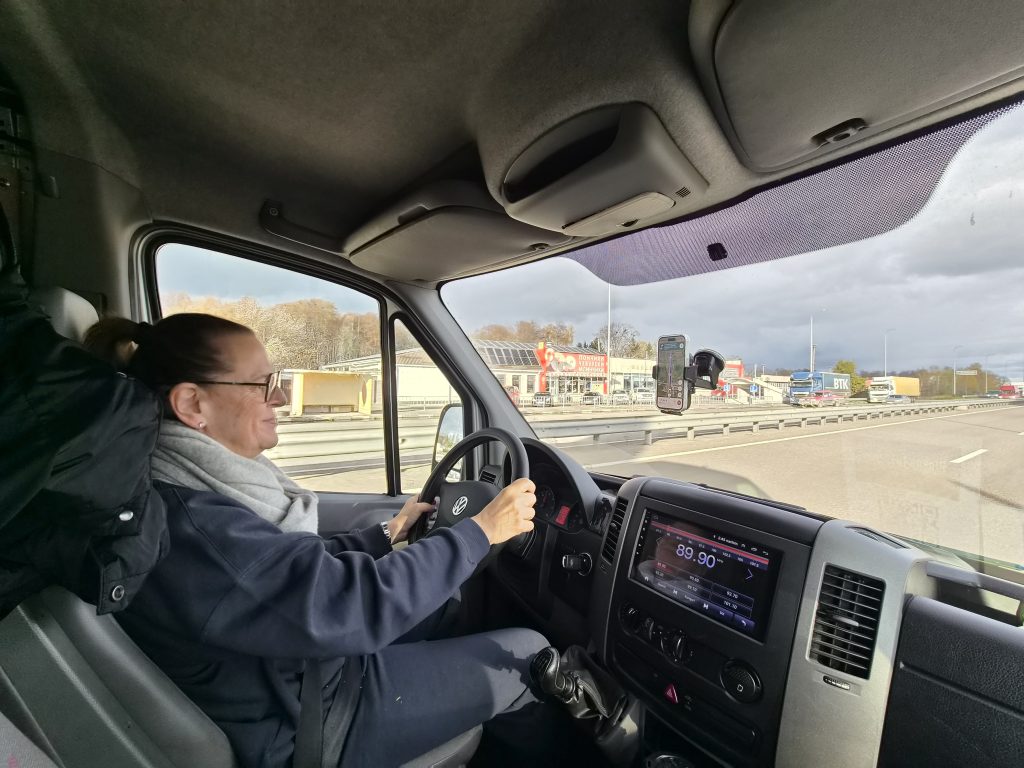
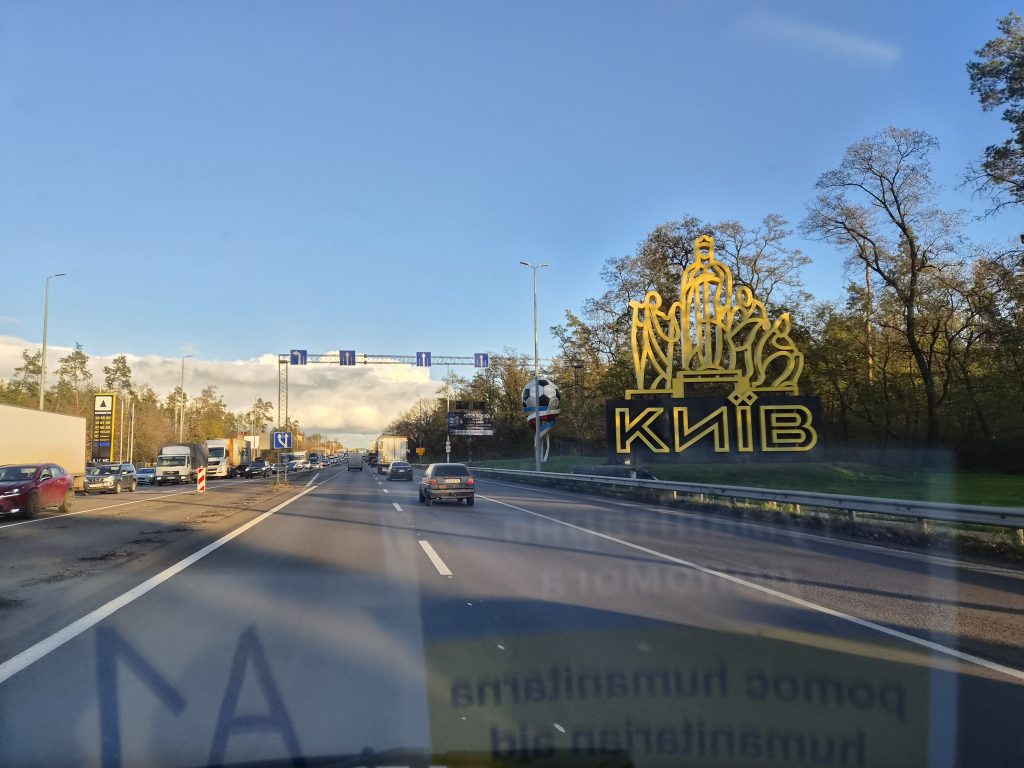
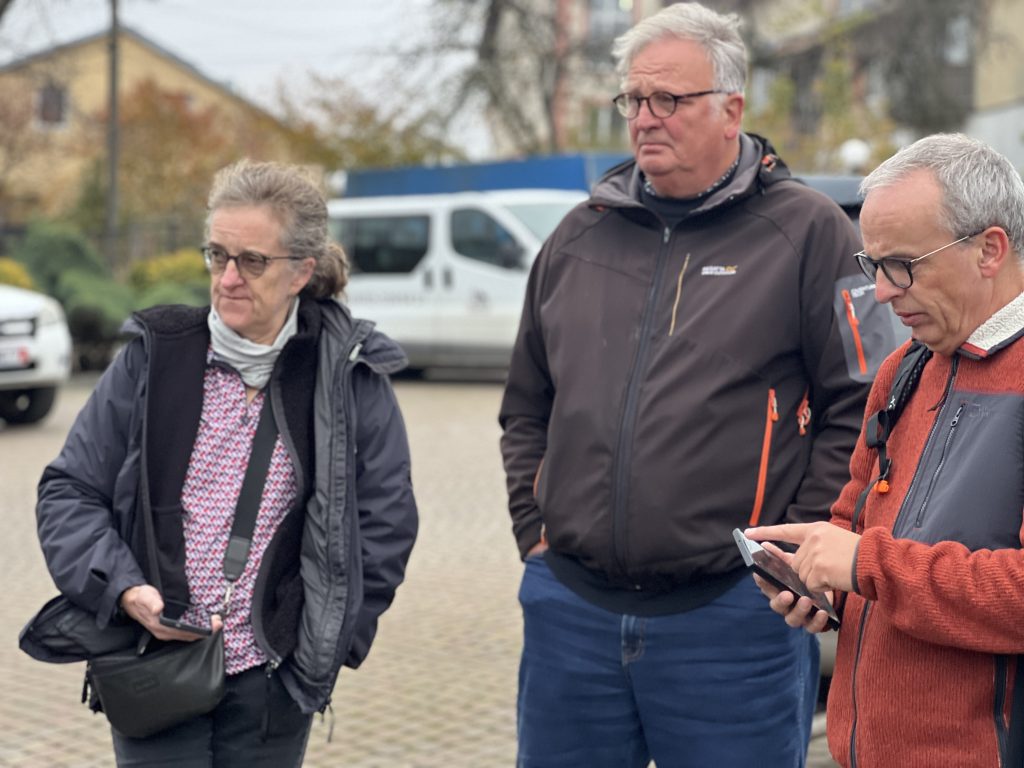
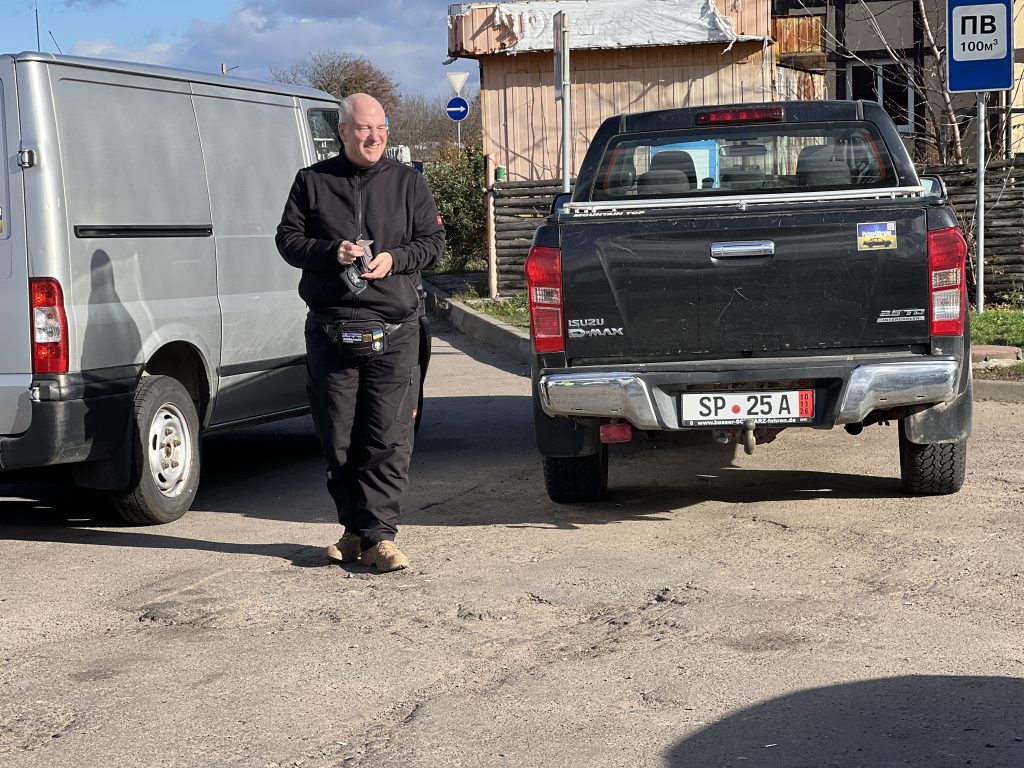
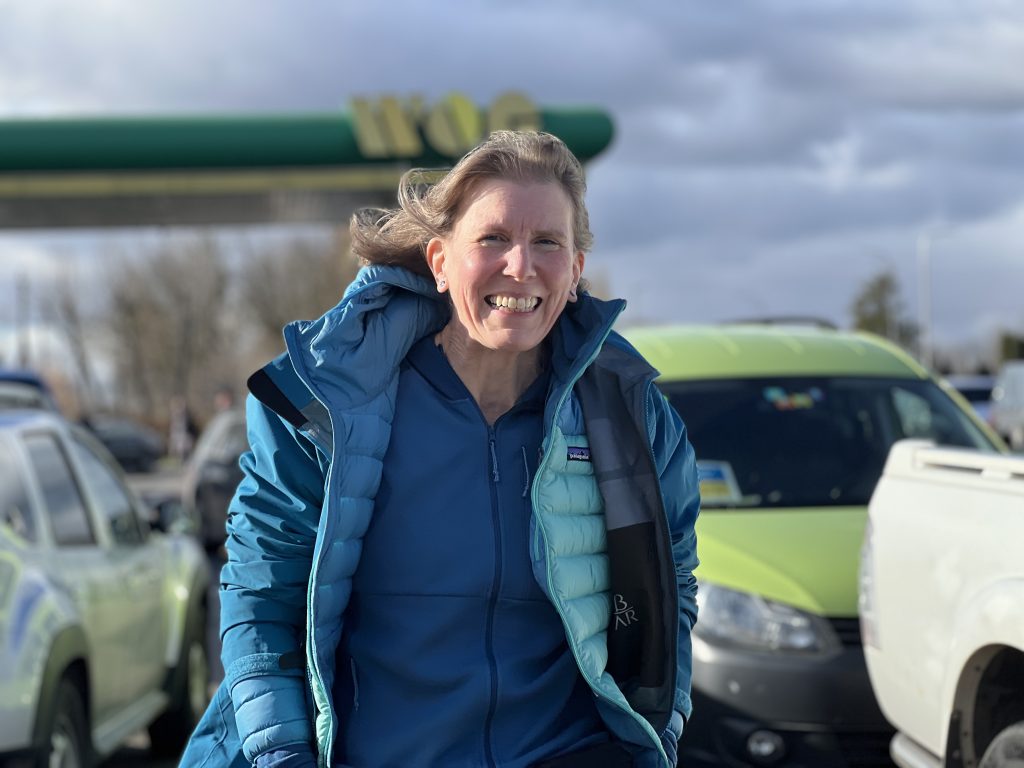
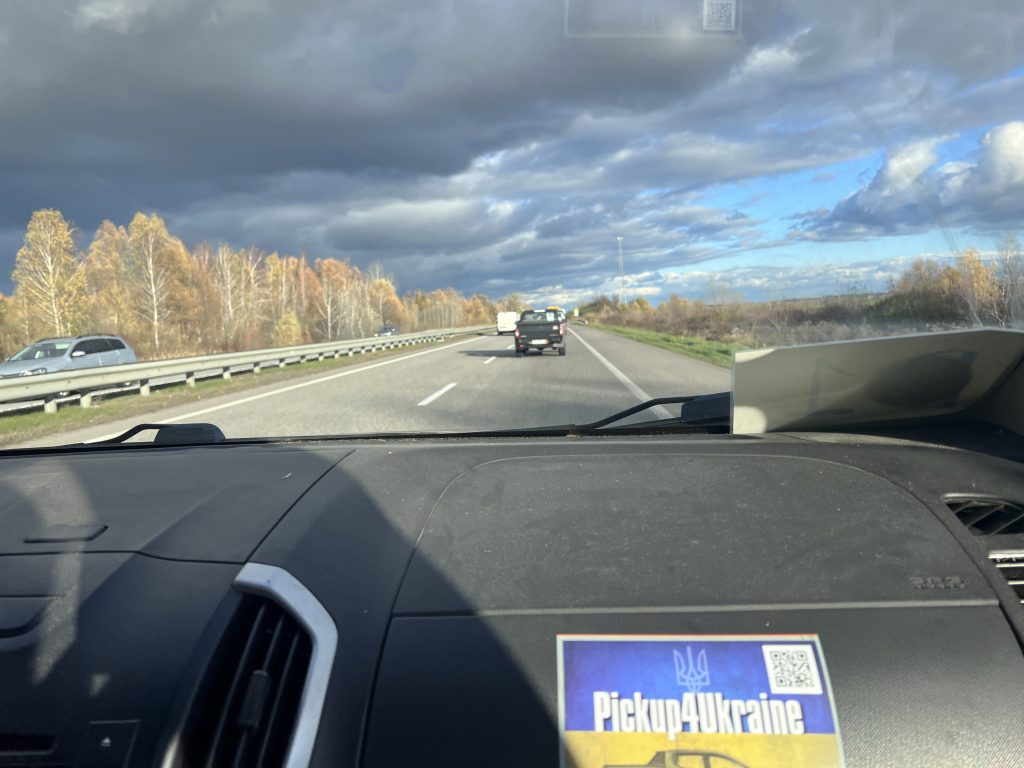
We heeded advice not to linger too long at the stations for the same reason but thankfully encountered no problems along the way and made it to Kyiv without problem, though, as has become routine, the GPS signal was blocked as we approached the city in the late afternoon, and we had to rely on experience and frozen Google Maps to navigate the last few kilometers to town. Arriving in daylight was a luxury, but finding parking spaces was more difficult. Once that problem was solved, we headed to our hotel, checked in, and were able to have a pleasant dinner.
Just as we retired, though, a code-red air-raid alert sounded as the first wave of a major ballistic-missile attack on Kyiv began. Most of us headed for the shelter, where we slept on folding beds and had only a muffled impression of what was happening only a couple of kilometers away: a total of 36 Russian Iskander-M and North Korean KN-23 ballistic missiles were fired at Kyiv, with four hitting a major bridge across the Dnipro. The Institute for the Study of War in Washington reported: “Such strikes aim to disrupt the wider Ukrainian economy, sow panic among the population, and significantly degrade civilian life and movement in Ukraine’s capital.” Note to future self: point out that while we worry whether Western Taurus and Tomahawk missiles might be construed by the Russians as a provocation, Moscow unblushingly employs large numbers of North Korean ballistic missiles to attack Ukrainian power stations, bridges, hospitals, and apartment buildings attempting to depopulate major cities.
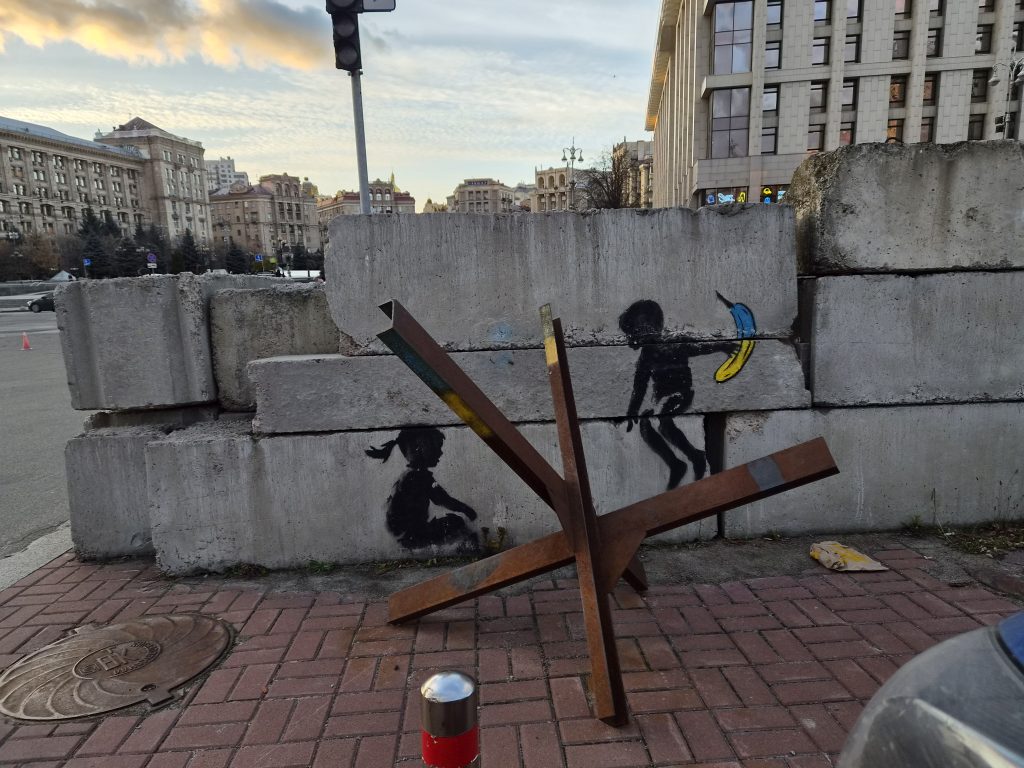
As has been the case consistently for years, we observed no panic whatsoever in Kyiv. On the contrary, we experienced ordinary life being conducted nonchalantly under extraordinary circumstances: frequent electricity outages, the constant background noise of generators, spotty water and heat. Our friends react to our cautious queries about these hardships by saying they charge up their batteries in the couple of hours when electricity is available, go to a gym for a shower or to exercise as a way to stay warm. Disruption, yes; hardship, yes; panic, no. A mere yellow alert or a few Shahed drones scarcely elicit a response from hardened Kyivites.
Fourth Day
Our first full day in Kyiv was dedicated, as always, to getting the vehicles to their intended new owners and forwarding the medical supplies to the hospitals where they will be used.
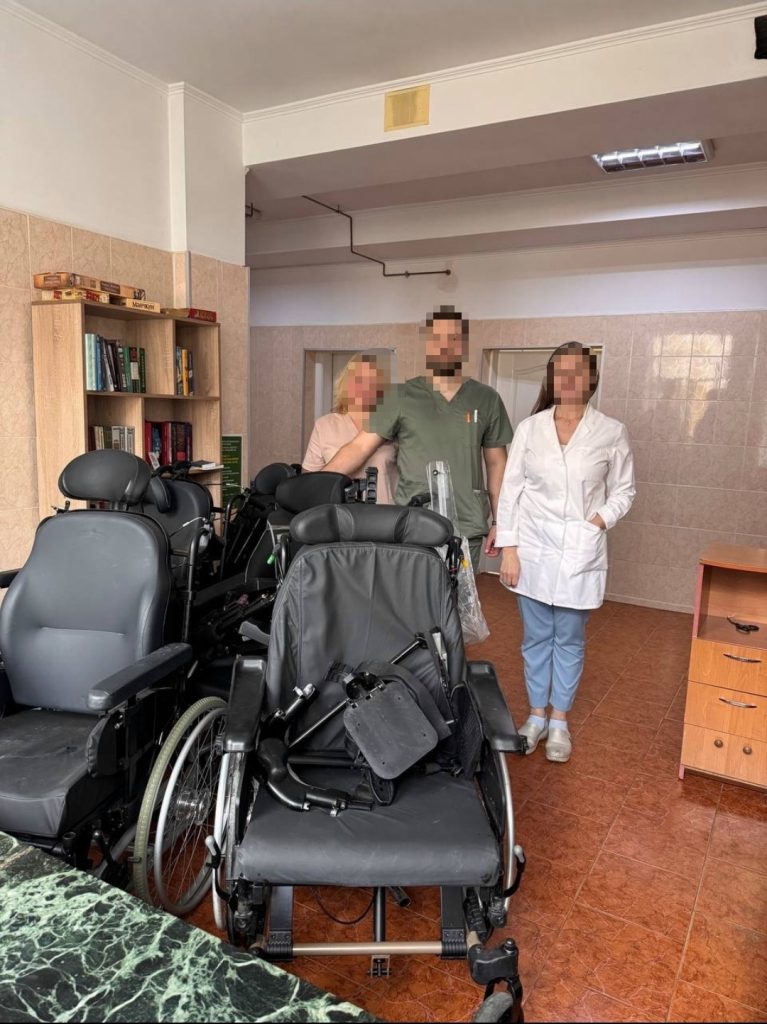
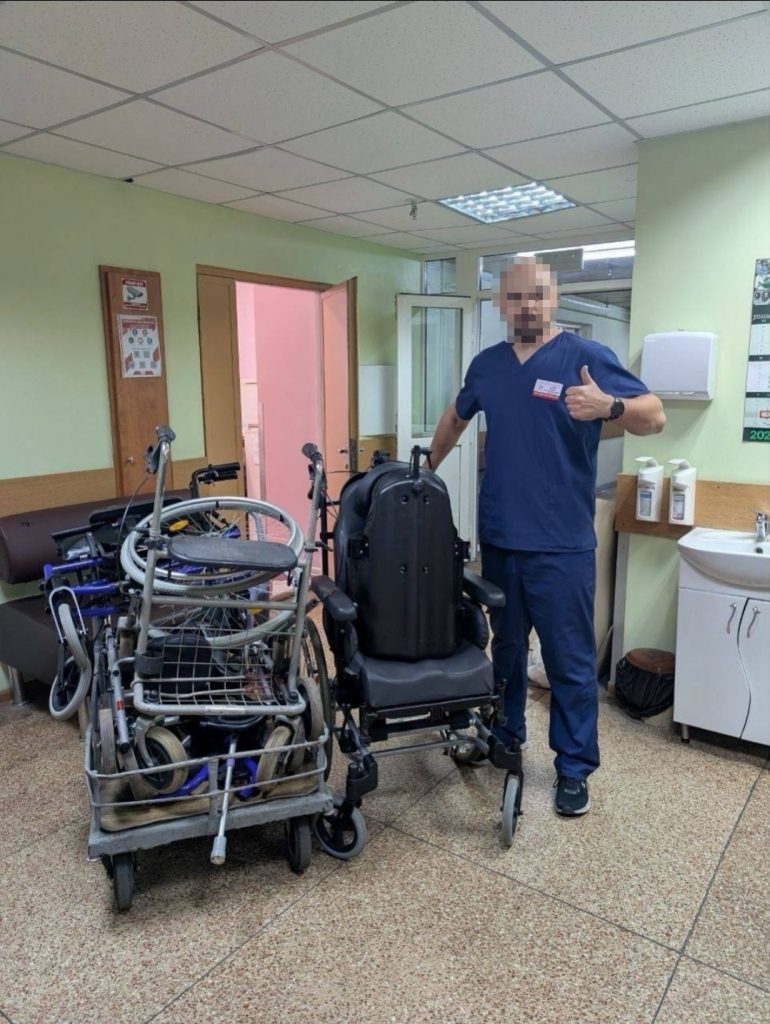
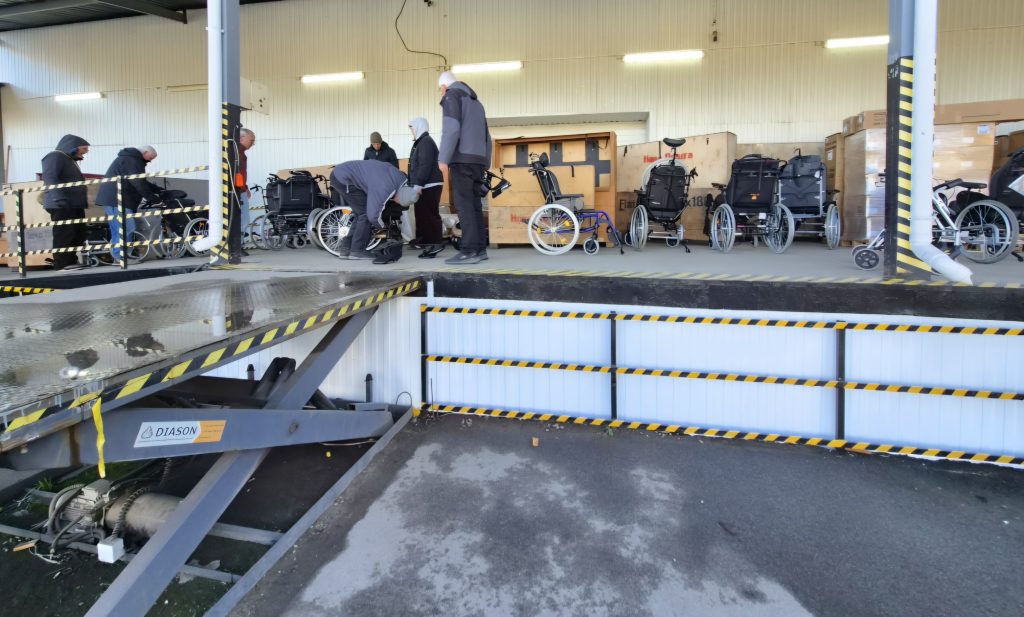
The first order of business was to send our cargo of wheelchairs to their intended hospitals before we could hand over the vans. Given the trouble that we had had over the last months with Polish customs, we had kept the wheelchairs in storage for months. Doing the customs processing in Germany proved to be a lot easier, and we were relieved and happy to finally send them to Mechnikov Regional Hospital in Dnipro, Municipal Hospital No. 1 in Vinnytsya, Dnipro, and Municipal Hospital No. 18 in Kharkiv. It was a long and frustrating wait, but the help is now where it is needed. We thank our partner organization Ukraine’s Frontline Hospitals and Maria and Anja for their help with the processing and the transfer to the hospitals.
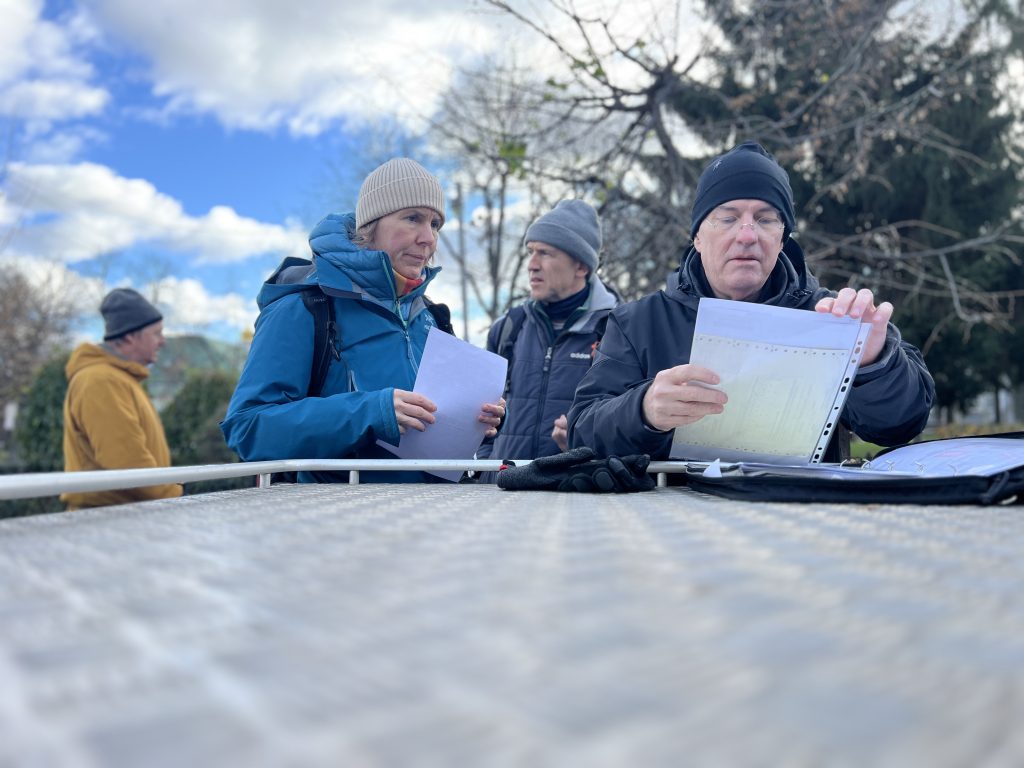
As usual, our recipients were eager to get their cars, and some were already waiting when we arrived at the meeting place. For our colleague Olena, it was a truly special moment. A childhood friend of hers had asked for her help in finding a van for her son serving at the front. Olena approached Pickup4Ukraine to help, while she and her husband, Igor, raised money in the Ukrainian community and helped trying to find a suitable vehicle. This request was not among those originally planned and came as a last-minute addition. A limited budget made fulfilling the wish in the short time available even more challenging. Our resident expert, Roman I., managed to find a VW van in good condition and procured it with Igor just in time to join our convoy as the eleventh vehicle.
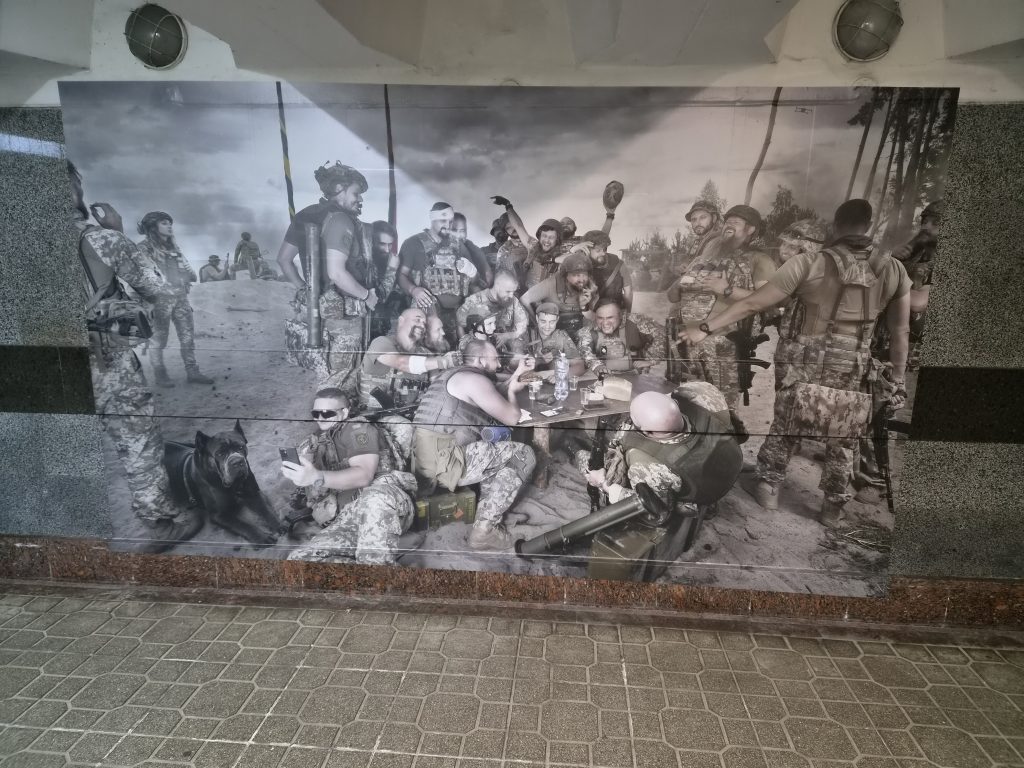
Often, our recipients take leave to come straight from the front, and, after we look over the vehicle together, talk about problems or quirks, and handle the paperwork, the conversation inevitably turns to what their situation is like and how things are going. It is not an easy discussion because we as visitors from Germany have no conception of what these people see and experience each day. They tell us that the situation near Kharkiv is dangerous, that they are constantly under drone observation, that trucks are shot out under them, that they have lost friends to drones and mines. The pressure is unrelenting. What they do not say is equally telling: not one of these servicemen expresses doubt about his country or why he is doing what he is doing, on the contrary. To a man, they are grateful that people from outside Ukraine go to the trouble to bring them trucks and vans so that they can continue to do their work.
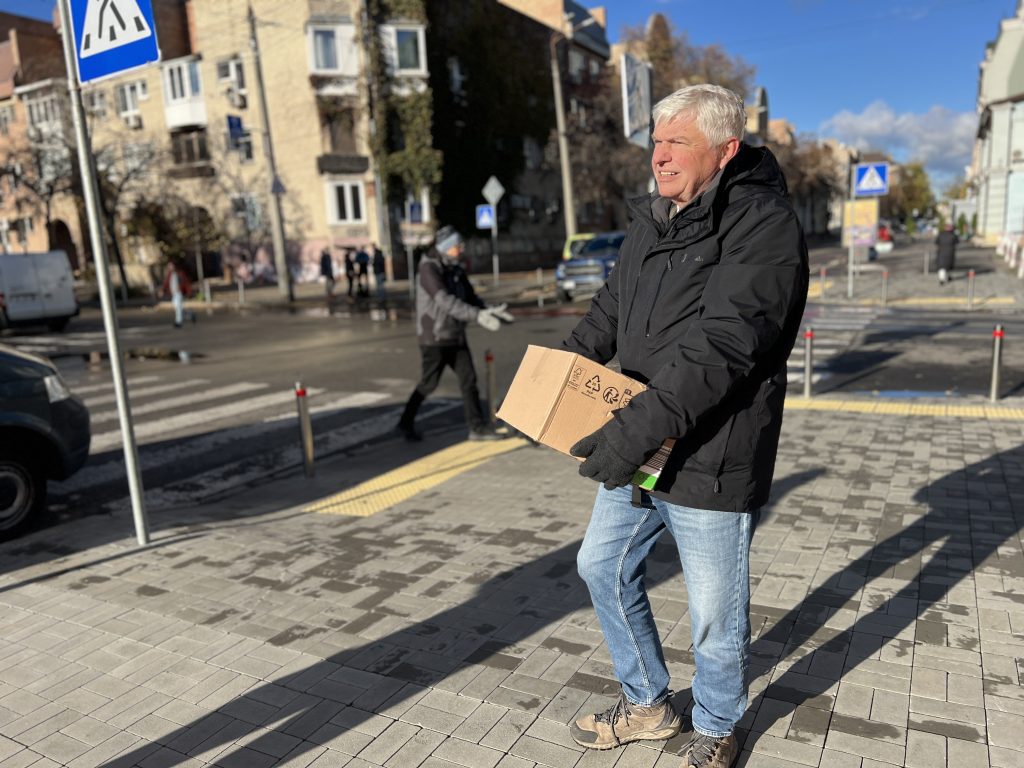
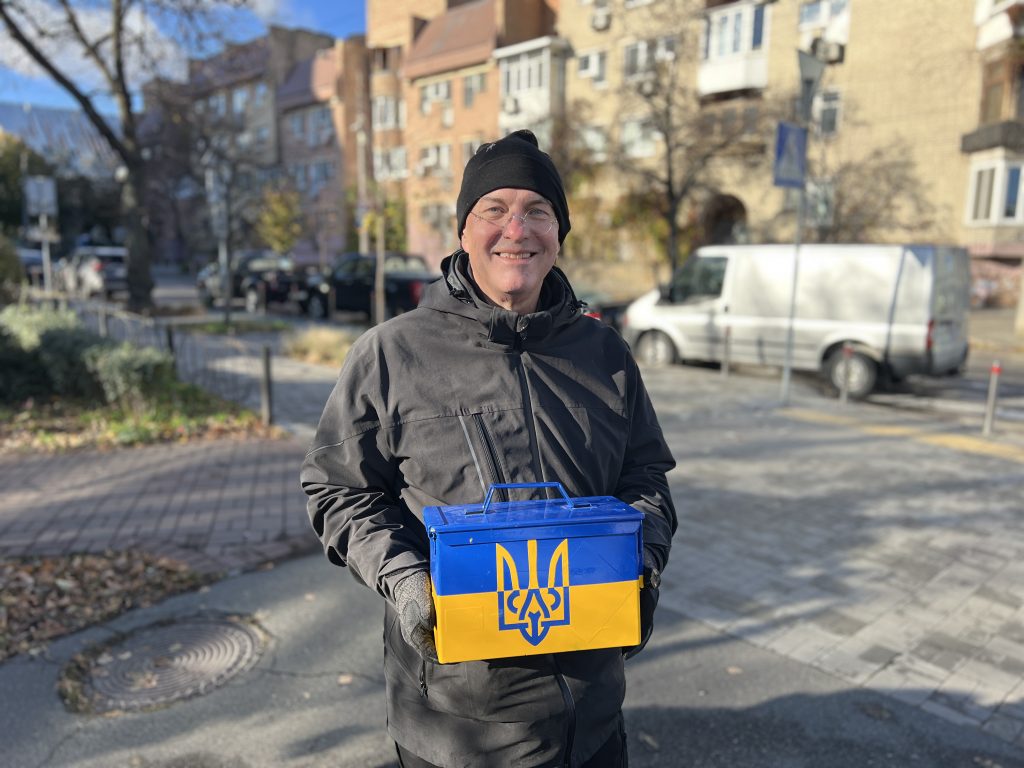
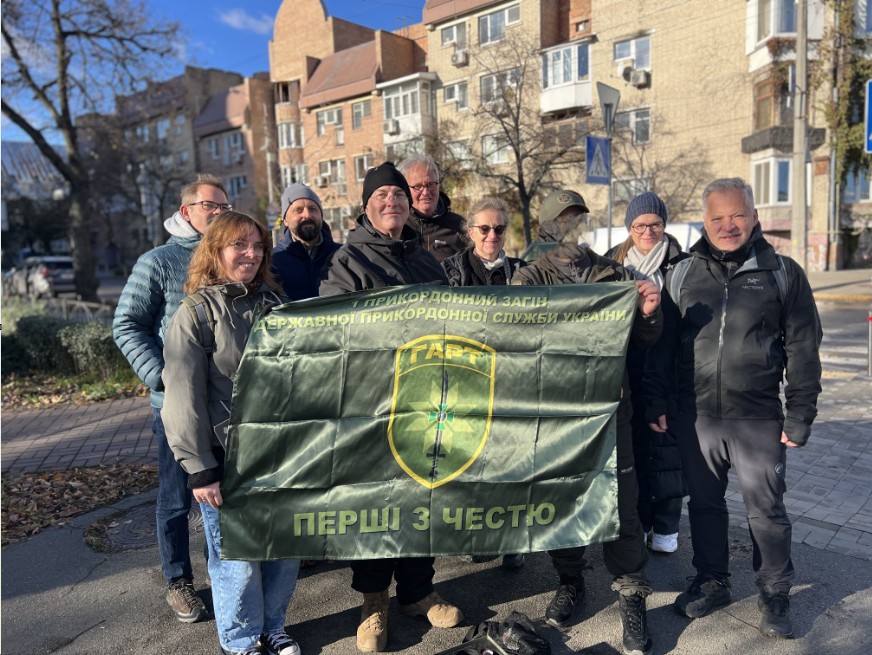
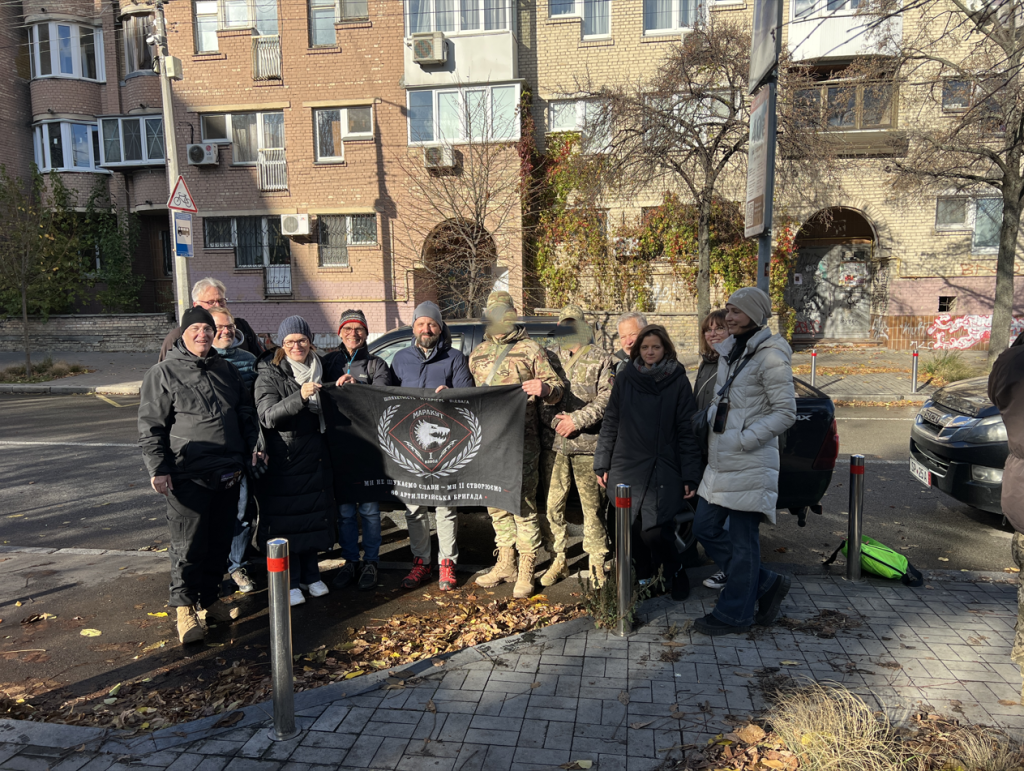
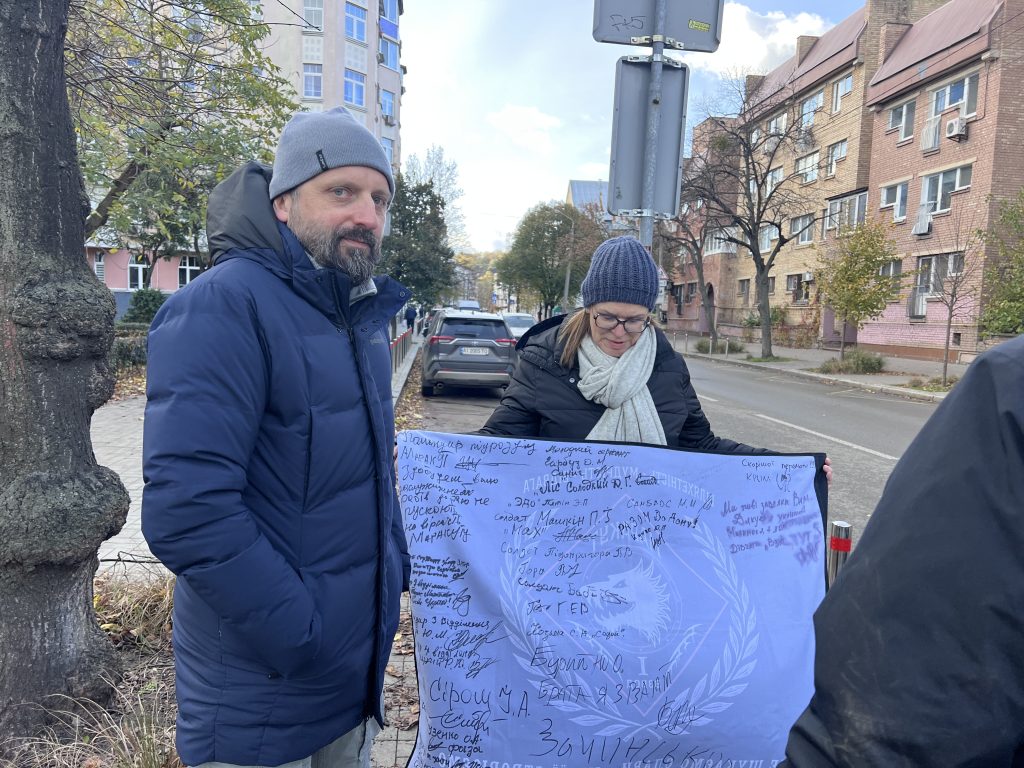
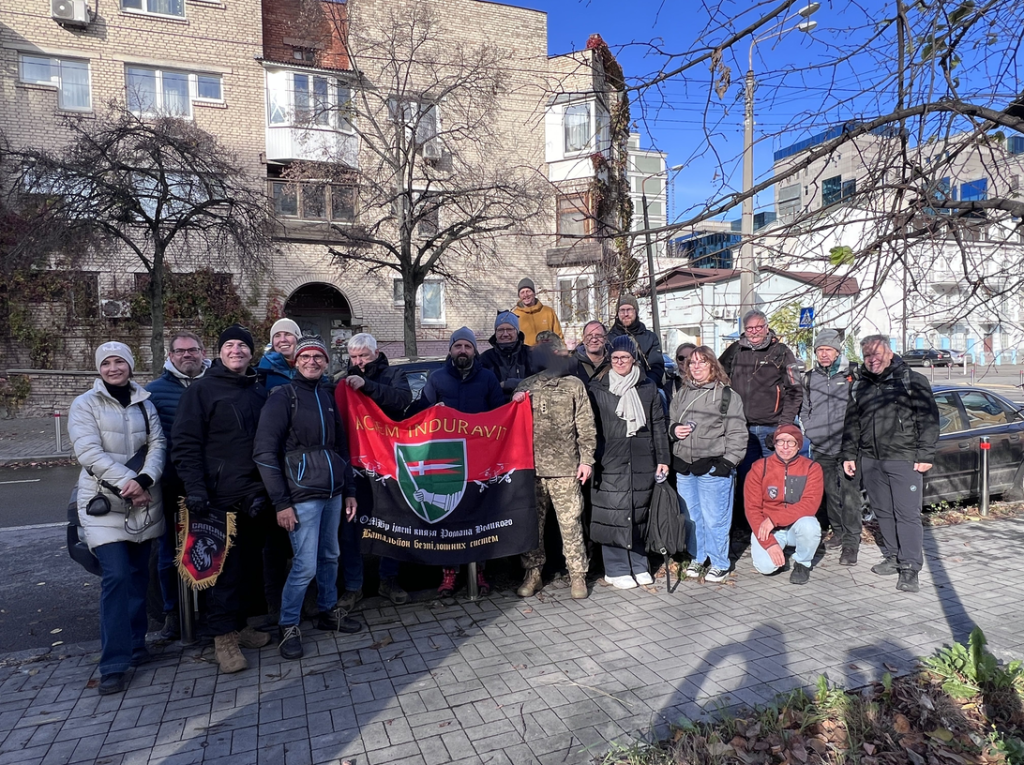
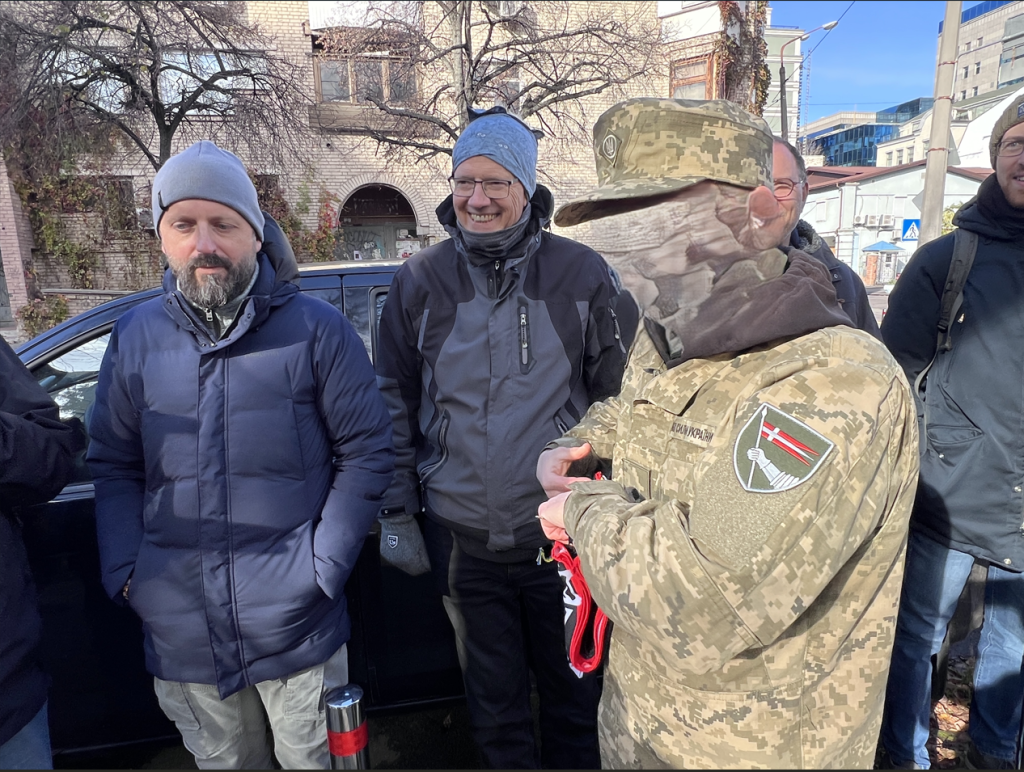
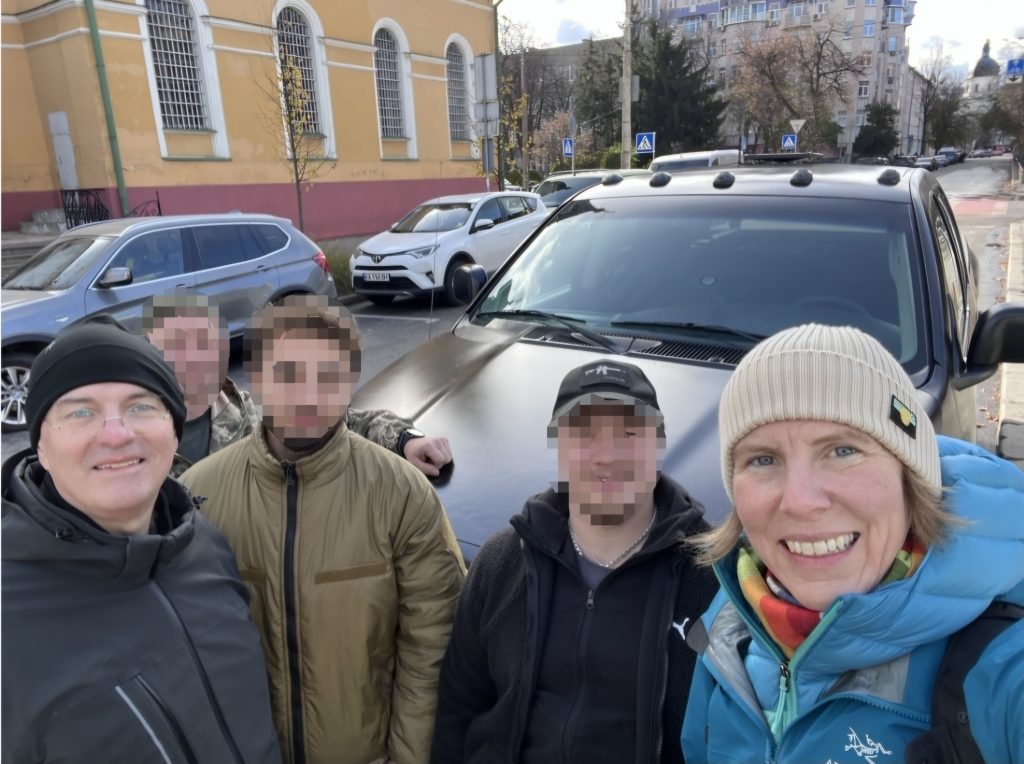
We were particularly excited to see someone again whom we had met earlier this year, Kyrylo, an officer with extensive experience in drone warfare who took a lot of time time to talk with our group in depth about all aspects of the war, everything from his views on the origin of the war to the big-picture diplomatic situation to current technology and tactics at the front. In flawless English, he had the members of our group listening in rapt attention as he answered their questions.
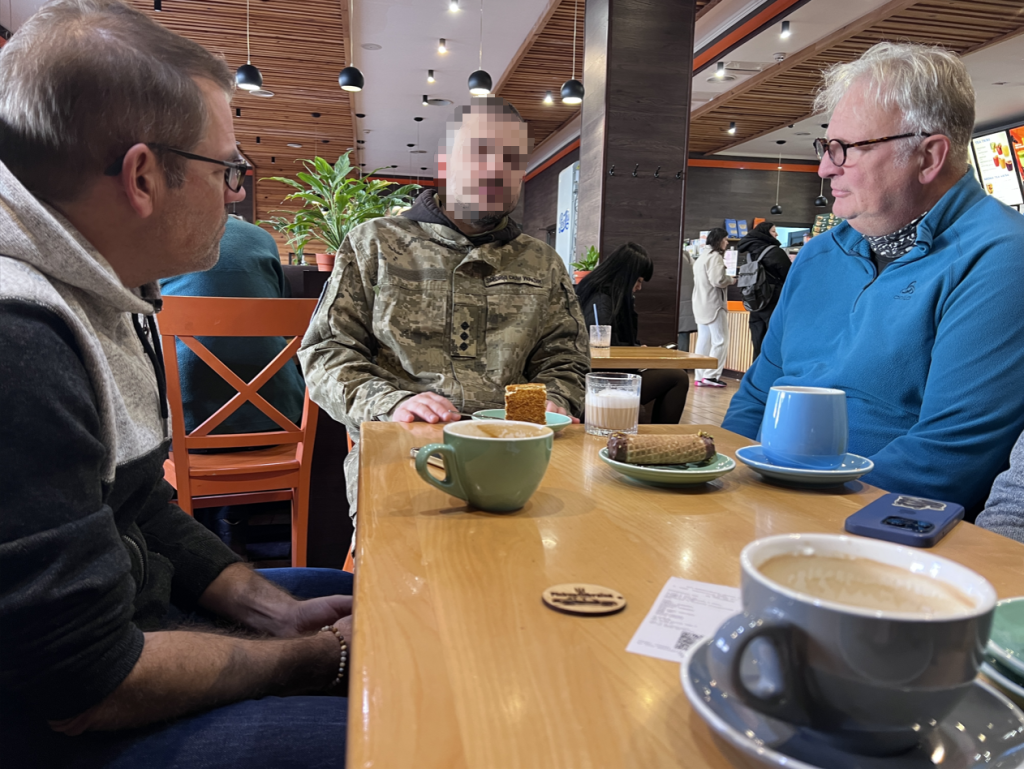
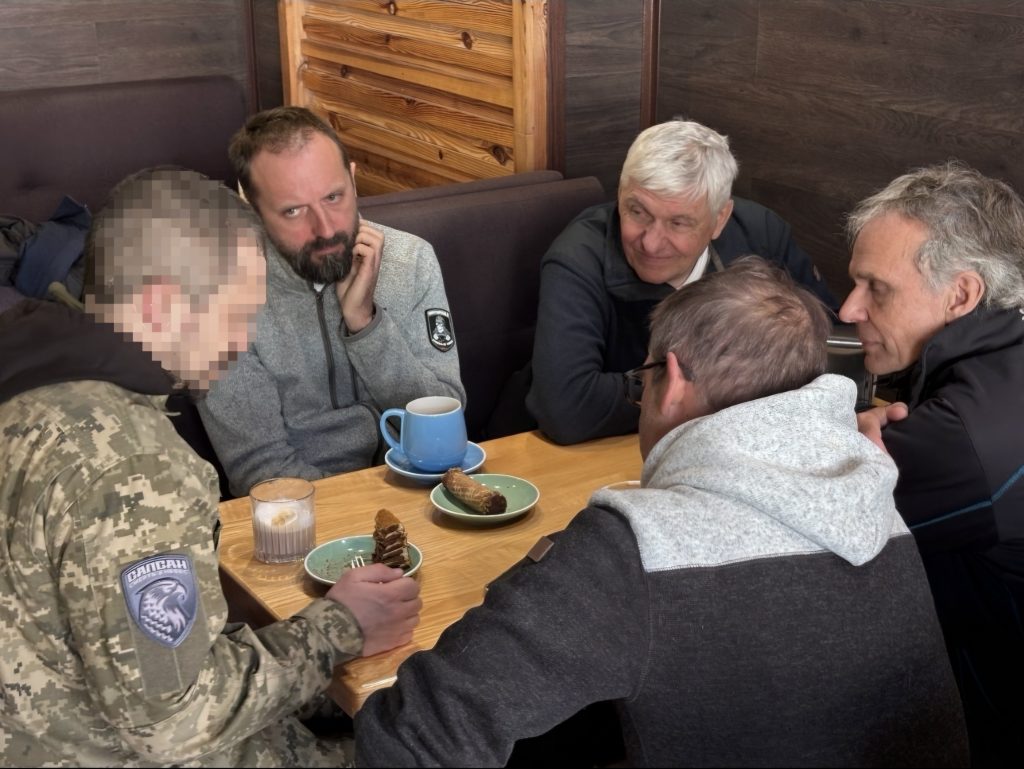
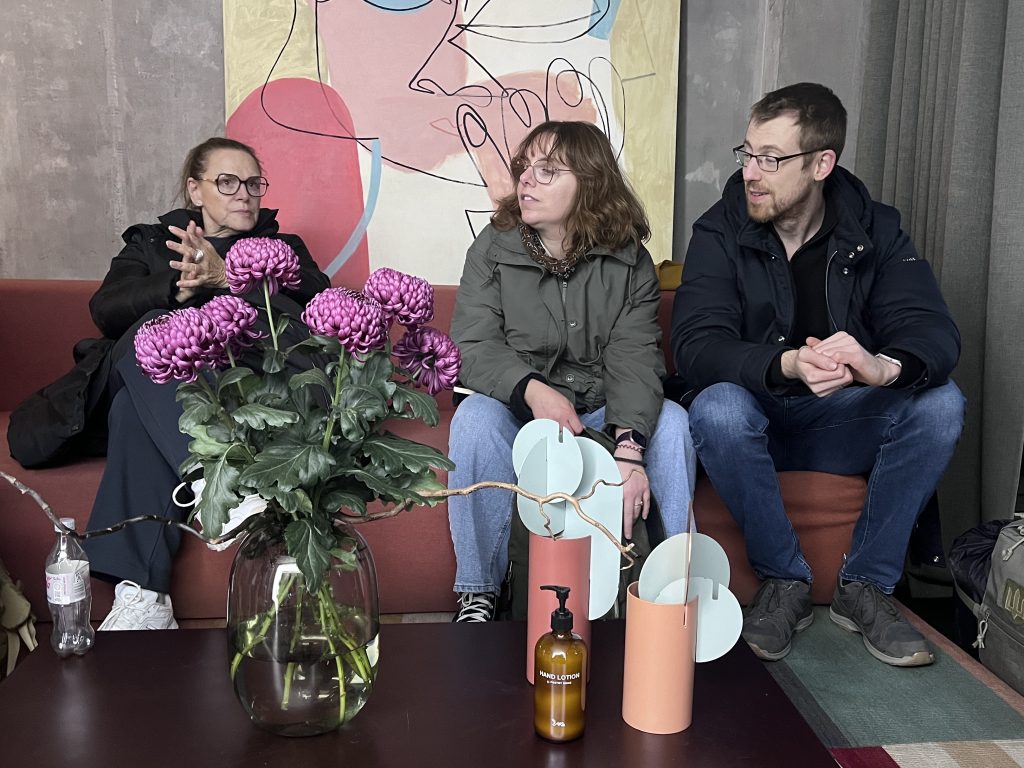
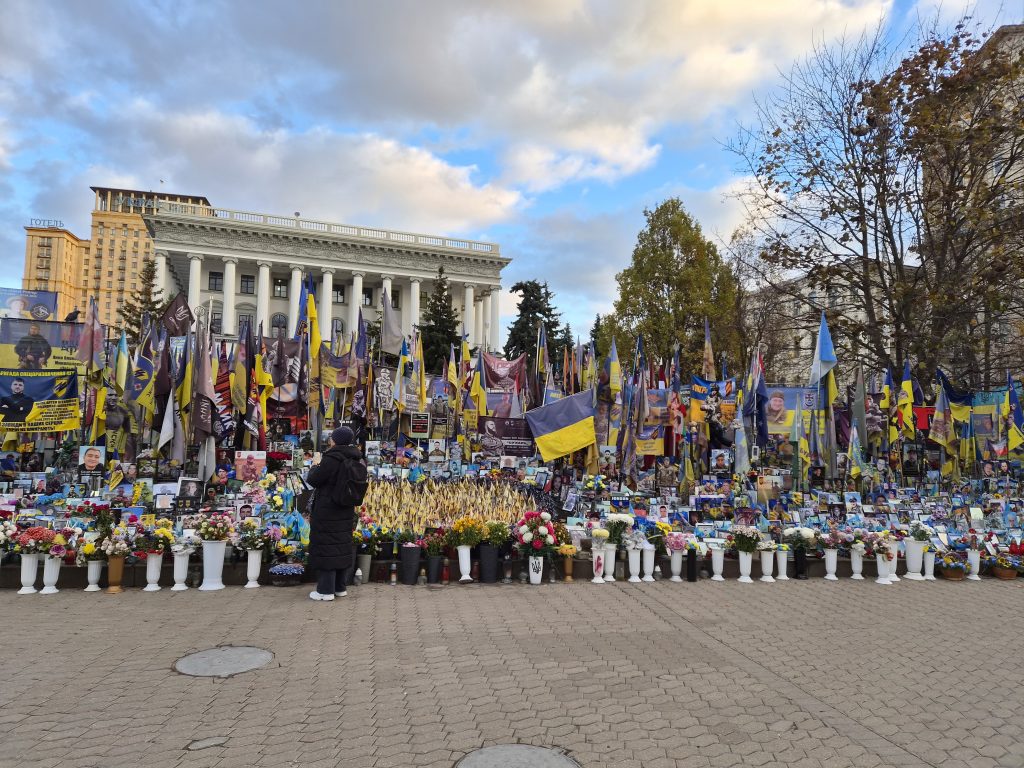
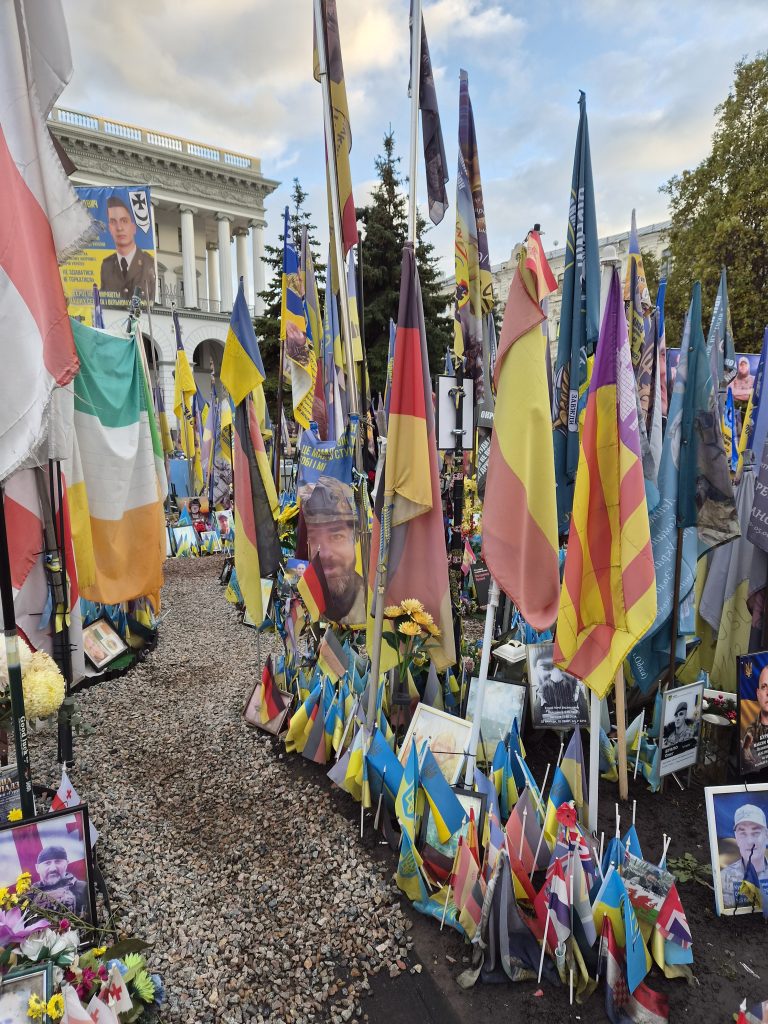
Later in the afternoon, the group split up, giving those who were in Kyiv for the first time the chance to see a little of the city. Dave and the author took the opportunity to catch up with our partners from Lawyers’ Move and got a special surprise: Hlyb, a drone expert operating in southern Ukraine, made an appearance to give us a gift for Dagmar and Morton S., who had donated their car back in July. He was in Kyiv on training and also provided insights on what is changing at the front. That evening, our entire group enjoyed a festive dinner with Nadia, Ruslan, Danylo, and Hlyb before returning to our hotel and spending a remarkably quiet night.

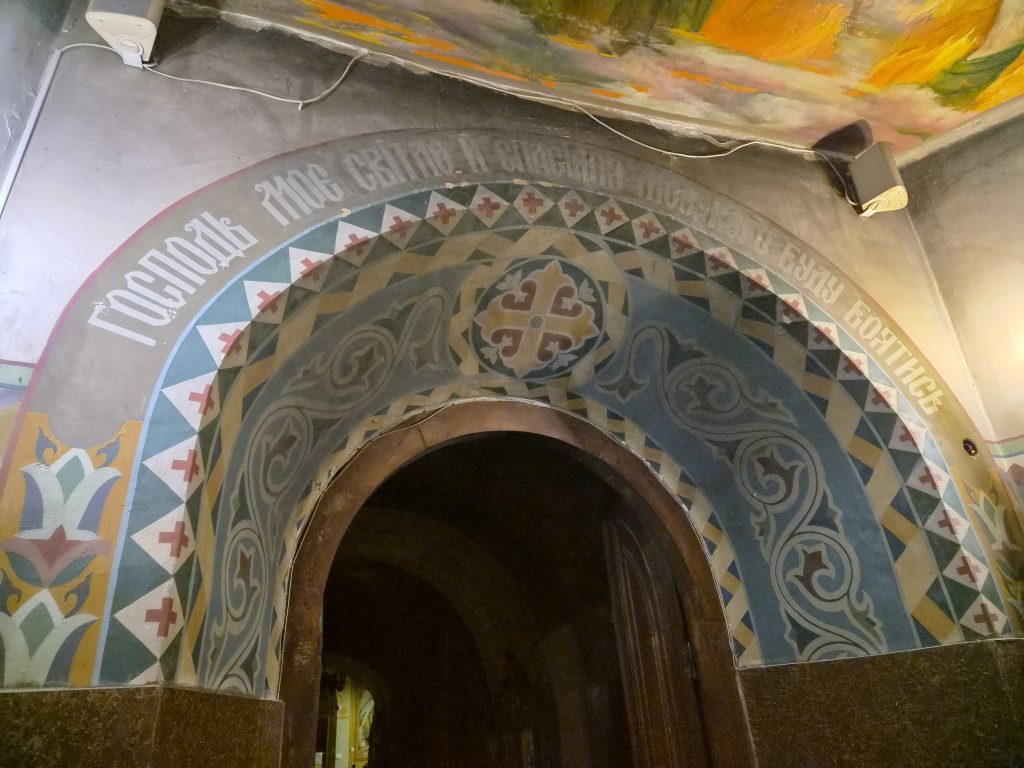
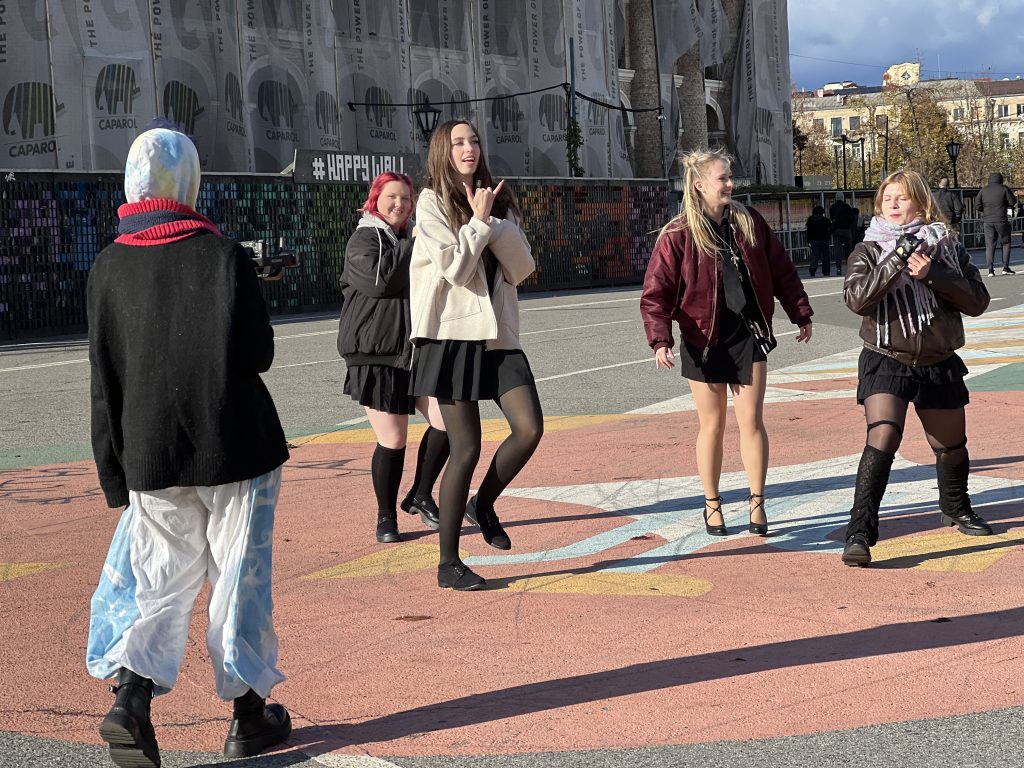
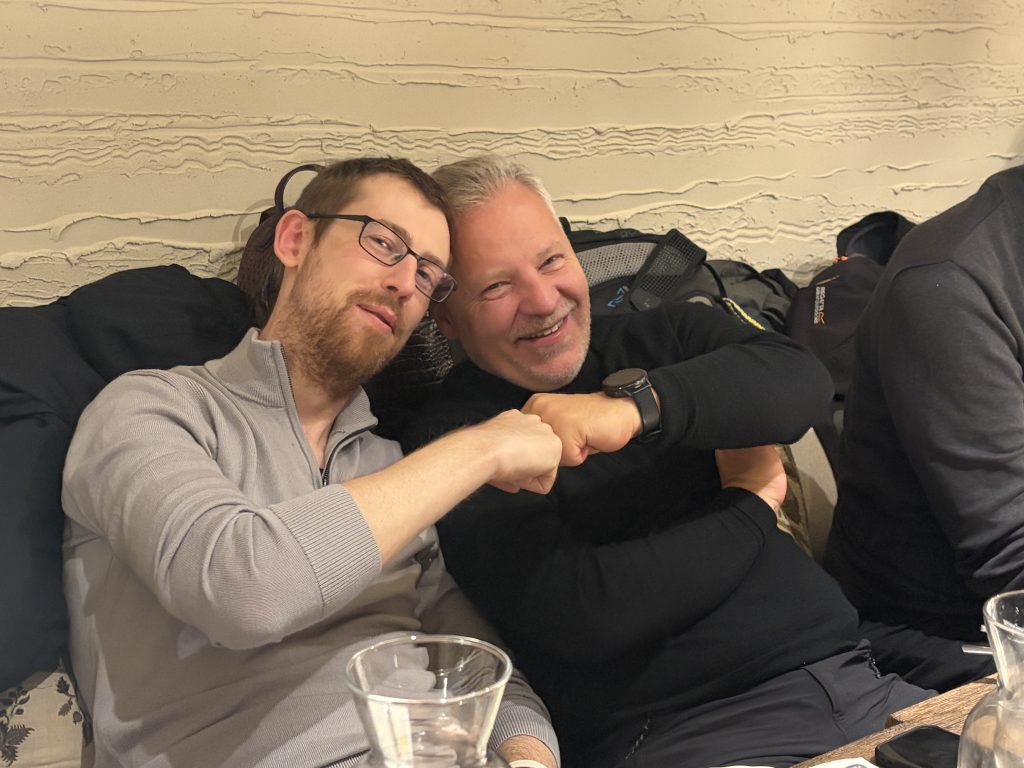
Fifth Day
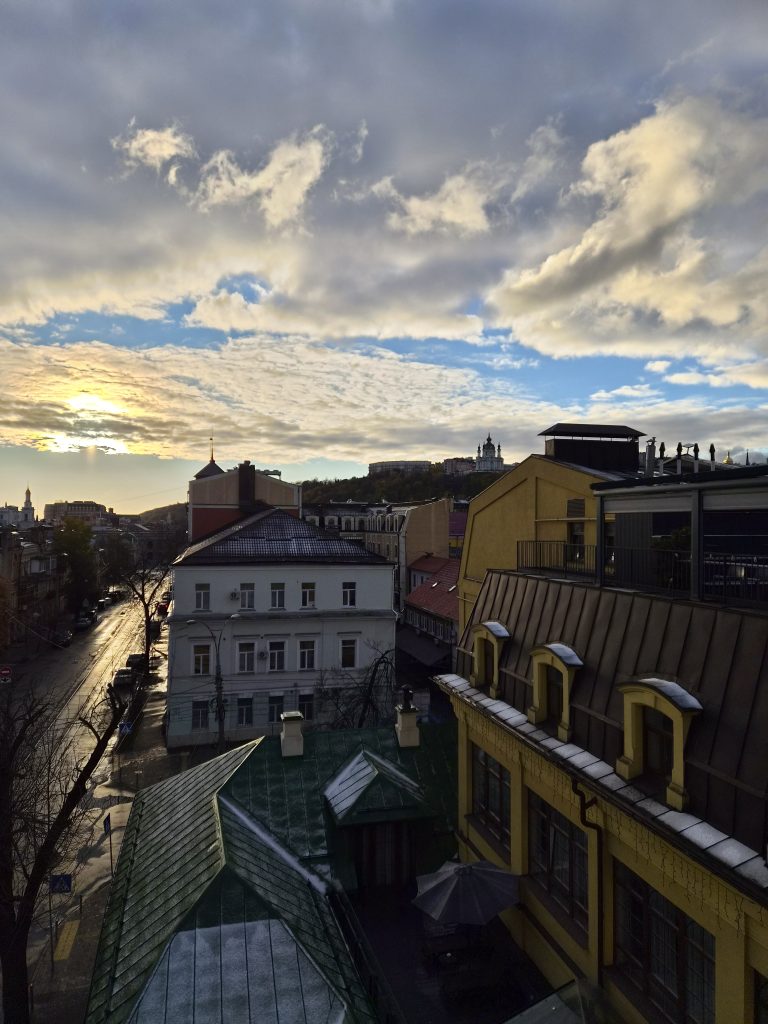
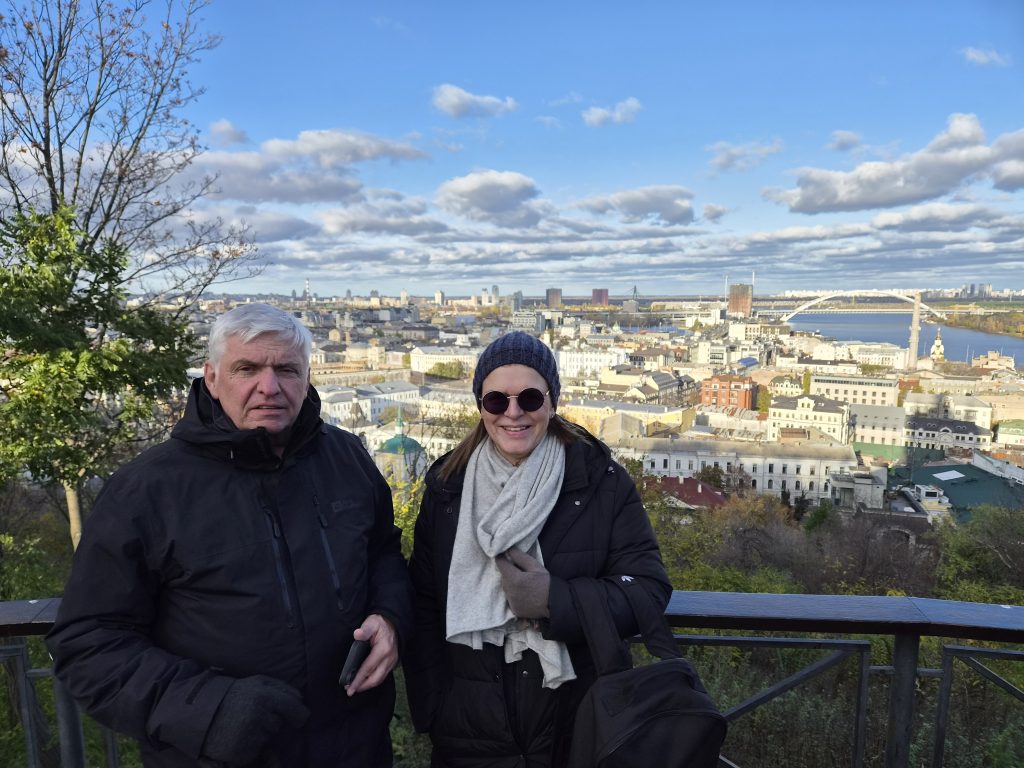
On Sunday, the larger part of our group set off after breakfast to participate in a “Stop the Bleed” course, while others used the time in Kyiv to explore the city or meet friends.
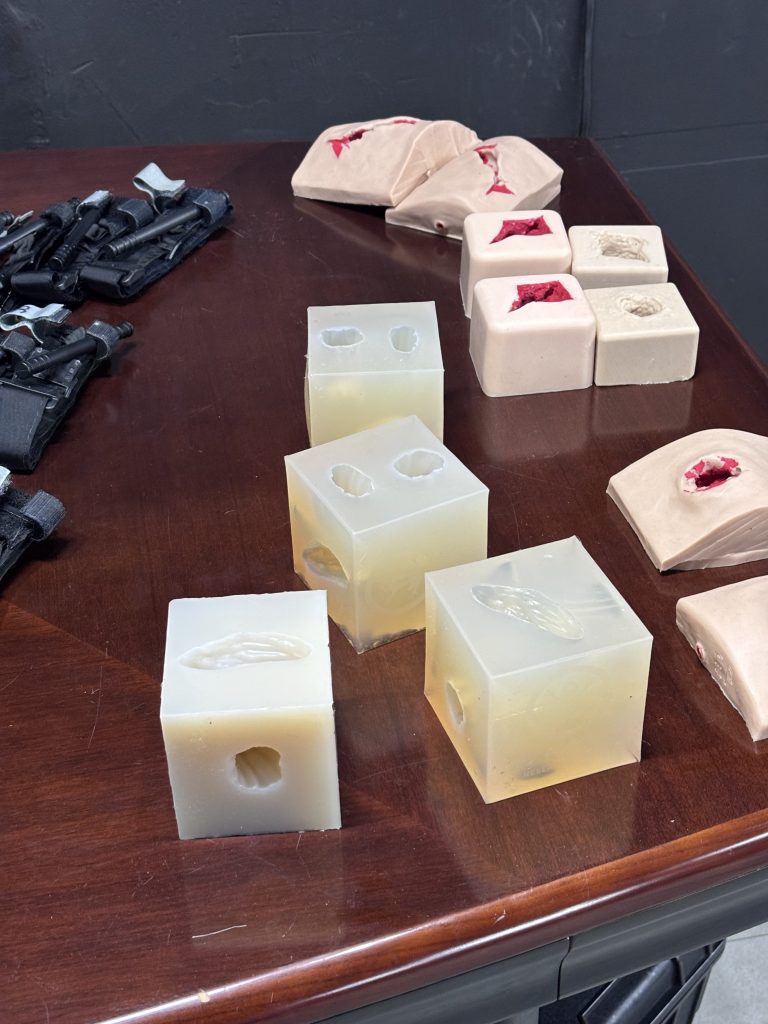
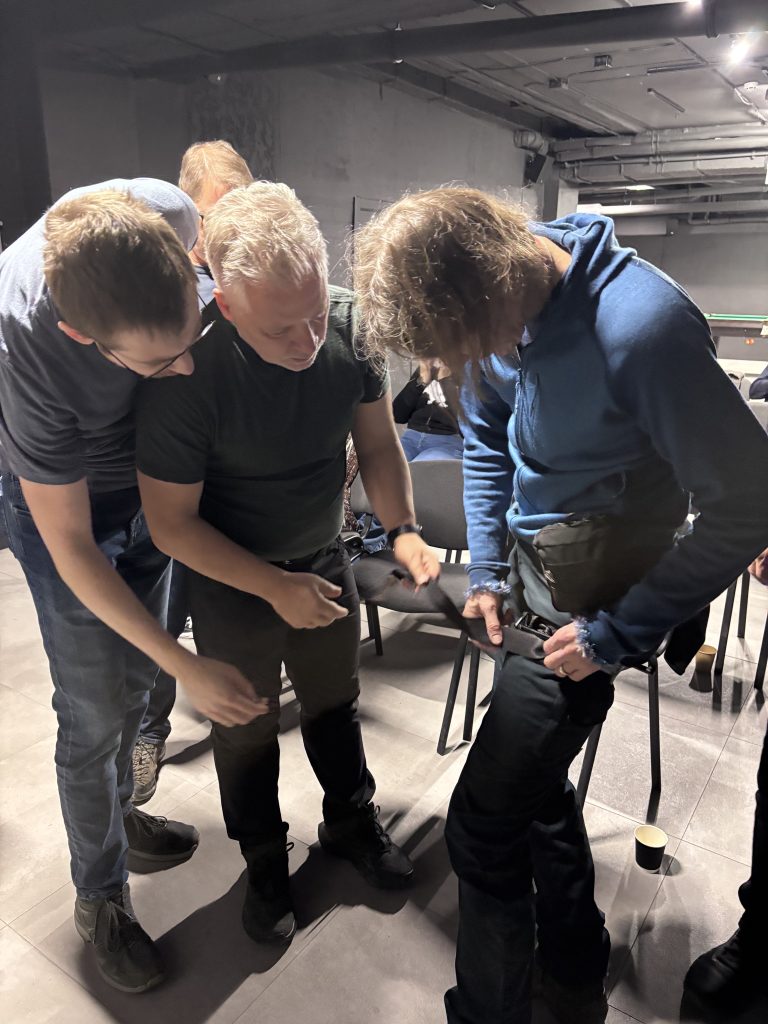
Our friends in Kyiv had arranged this course for us with certified instructors. Anna Mikulytska, the Managing Director of SAP Ukraine, and a colleague of hers also joined. While the typical first aid courses provide knowledge of short practical actions to help with a wide range of sudden health issues, the “Stop the Bleed” course focuses on stopping life-threatening bleeding, due to large wounds on the extremities or losses of limb. We practiced applying tourniquets of different brands on ourselves and other participants’ arms and legs and gained experience with so-called “wound packing” in silicone models, trying not to let too much rooibos tea spill. For those of us who had already taken comparable courses, it was a welcome practice and reminder, for those who only had done their first aid courses in Germany, it was a door-opener into a topic that is usually skipped in standard training but nevertheless can be needed – not just in a war-torn country – but also in exceptional road, hiking or bike accident situations.
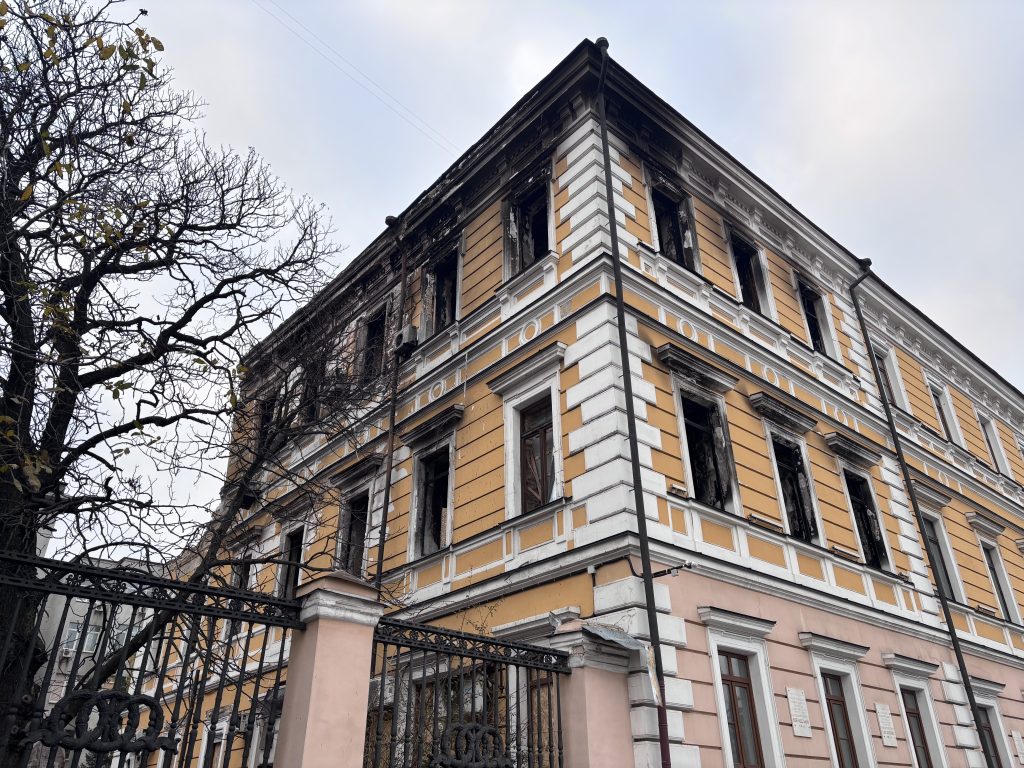
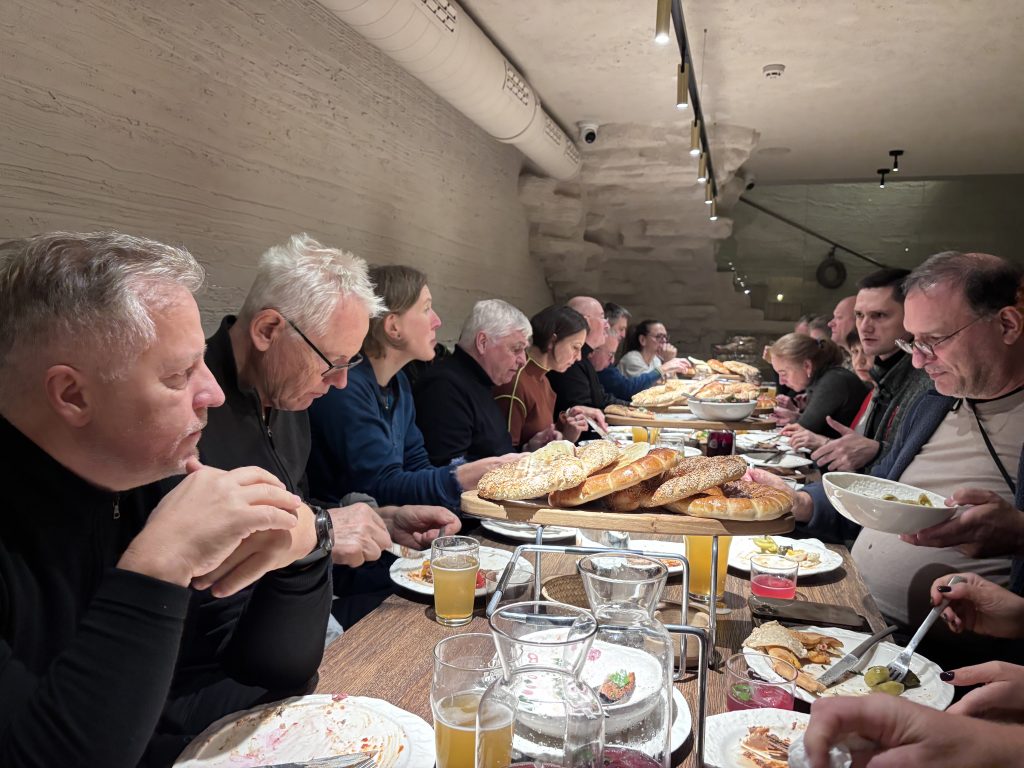
In the late afternoon, we met for the traditional meeting with our SAP Ukraine colleagues and caught up with them. They told us about the increasingly difficult conditions in Kyiv: fatigue, shortages, difficulty moving around the city because of the attacks on bridges. A couple of people are considering moving their families out of the city during winter; most of them discussed their strategies to deal with the situation. As mentioned above, there was no sense of panic, only how best to carry on. We as visitors get only a brief impression of what their struggle to conduct their lives is like. It is all the more impressive that these people take the time to roll out the red carpet and spend their precious free time with us. The scenes of reunion between our drivers and our friends are moving. These private moments are one more powerful argument to keep coming. We don’t want to forget our friends or let them down.
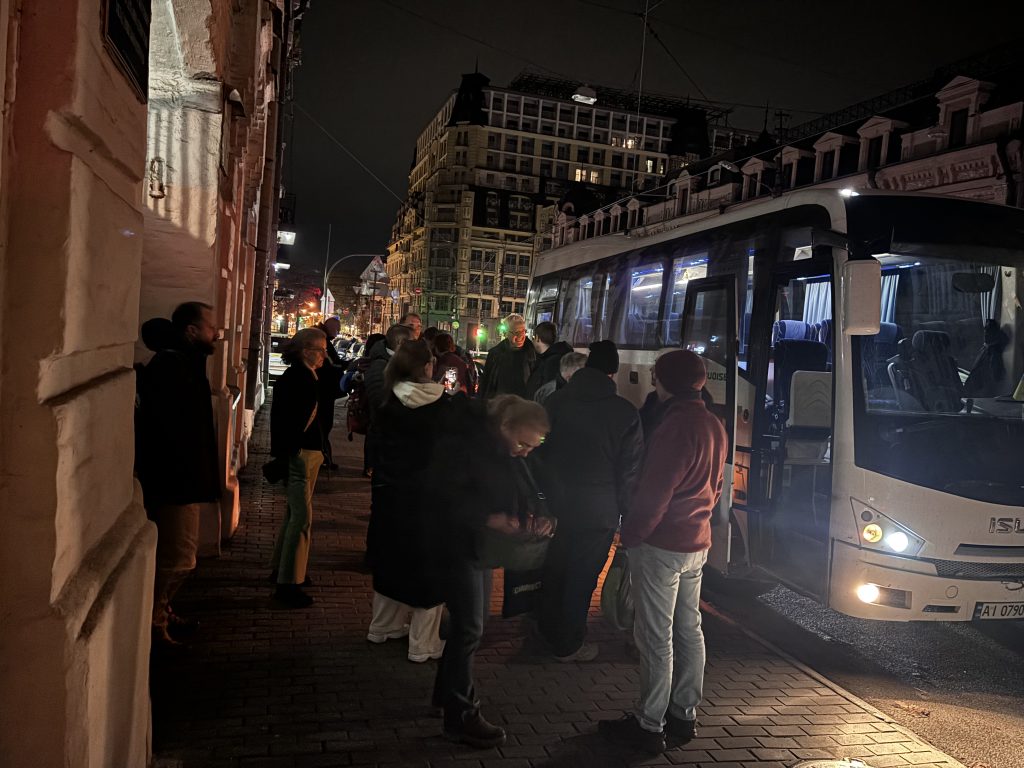
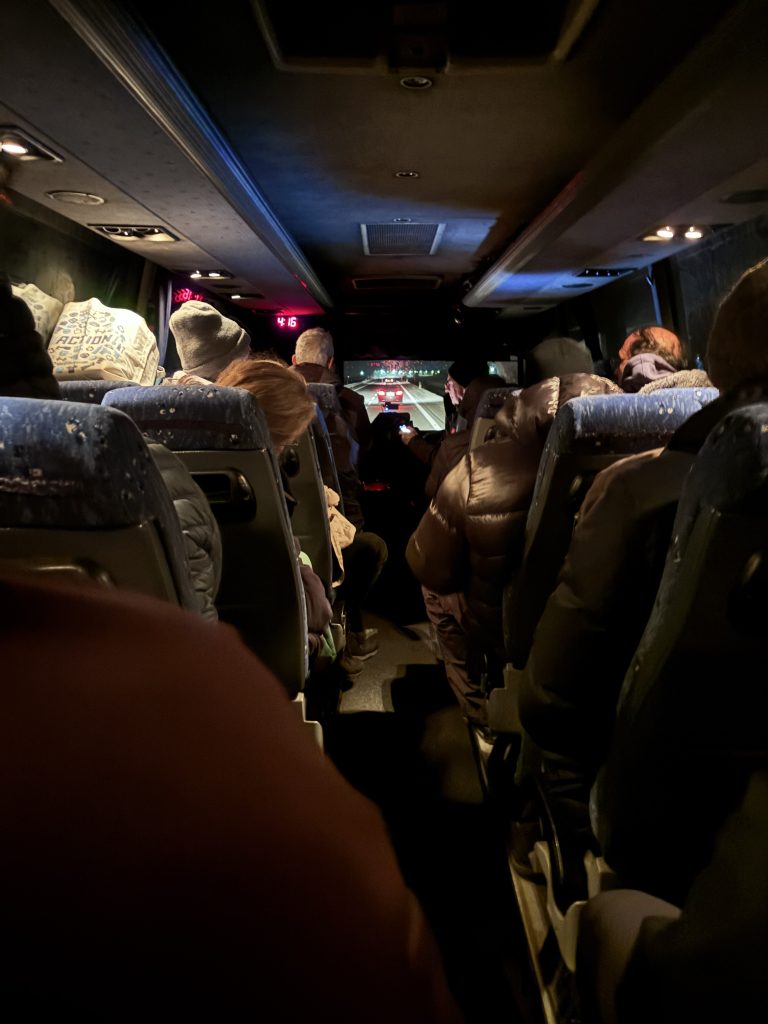
Reluctantly, we headed back to the hotel to get our things and start the journey back home. This time, we were forced to try something new. In 2026, the Russians started targeting locomotives to disrupt Ukrainian logistics. This year alone, around 400 locomotives have been destroyed, resulting in long delays, injuries, and deaths. Our Ukrainian friends warned us that taking the train would risk at the very least long delays and possibly involve evacuation if there were attack drones detected near where we would be traveling. As dedicated Ukrainian Railways passengers, we were saddened to have to consider another means of transportation. Since our travel plans were not very flexible, we decided not to risk the delays and instead chartered a bus to take us to the border. We would not, however, cross the border on the bus. Our nemesis, the Polish border guard, is famous for letting buses entering the EU from Ukraine wait for hours. We would get off the bus on the Ukrainian side of the border and cross on foot.
Our bus trip was an excellent reminder of how good train travel had been. The short travel time failed to compensate for the restricted legroom and a driver who liked to talk on the phone in the middle of the night. We were deposited, bleary-eyed, at the pedestrian border crossing in Ukraine at around 4:00 AM, well ahead of our planned time. Mercifully, there was no line either on the Ukrainian or the Polish side. Hardly surprisingly, we stood before locked doors when we made it to Poland, and a characteristically surly Polish guard begrudgingly admitted us to the interior and was angered when the entire group dared to enter the premises at once. After thorough screening and scanning, we were finally permitted to enter the country and then took a bus to Przemyśl to catch the train to Kraków. The group managed to look around a bit and have lunch at a favorite spot there before catching planes and trains back to Germany.
As we walked around the city, someone quipped that it was a shame that our journey had to end on a low note with uncomfortable bus rides, standing in line, dealing with officious border and customs officers, airport security, and late trains. For this author, admittedly an inveterate complainer, it might seem be enough to say, “enough!” Just as with the experience of crawling under used cars, haggling with sellers, and worrying about breakdowns on the road, these banal annoyances tax patience. It is then, though, that the words of the Ukrainian officer come to mind: “for some, it may be just a vehicle….” All of the banality recedes into the background; the purpose and value of what we are trying to do are perfectly clear. Just as there is a banality of evil, there is also a banality of good.
We thank our friends and supporters who dedicate their money, time, and trust to put us on the road: our donors who put their money where their hearts are, especially our friends at 1019.ch, whose generous support financed two more vehicles that will be converted into casevacs; the friends and supporters who spent their time looking, test driving, and checking the eleven vehicles included Klaus K., Andreas S., Christian vdL, Fabian F., Oliver K., and David S., and especially Roman I., who again snatched victory from the jaws of defeat through last-minute repairs; the drivers, who spend their money (without a tax deduction) on gas, lodging, and meals to honor our pledge of zero overhead and 100% of donations for our aid.
Soon, we will be back under more old pickup trucks, getting ready for the next convoy.